Native vs cross-plattform: Så väljer du rätt teknik när du ska utveckla en app (iOS & Android)
Att välja rätt teknik för apputveckling – native eller cross-plattform – påverkar kostnad, tidsplan och kvalitet. På Intunio, en appbyrå i Göteborg, möter vi ofta entreprenörer, produktägare och inköpare som vill förstå vilket utvecklingssätt som passar deras app bäst.

Johan Frej
CTO
Vad menas med native vs. cross-plattform?
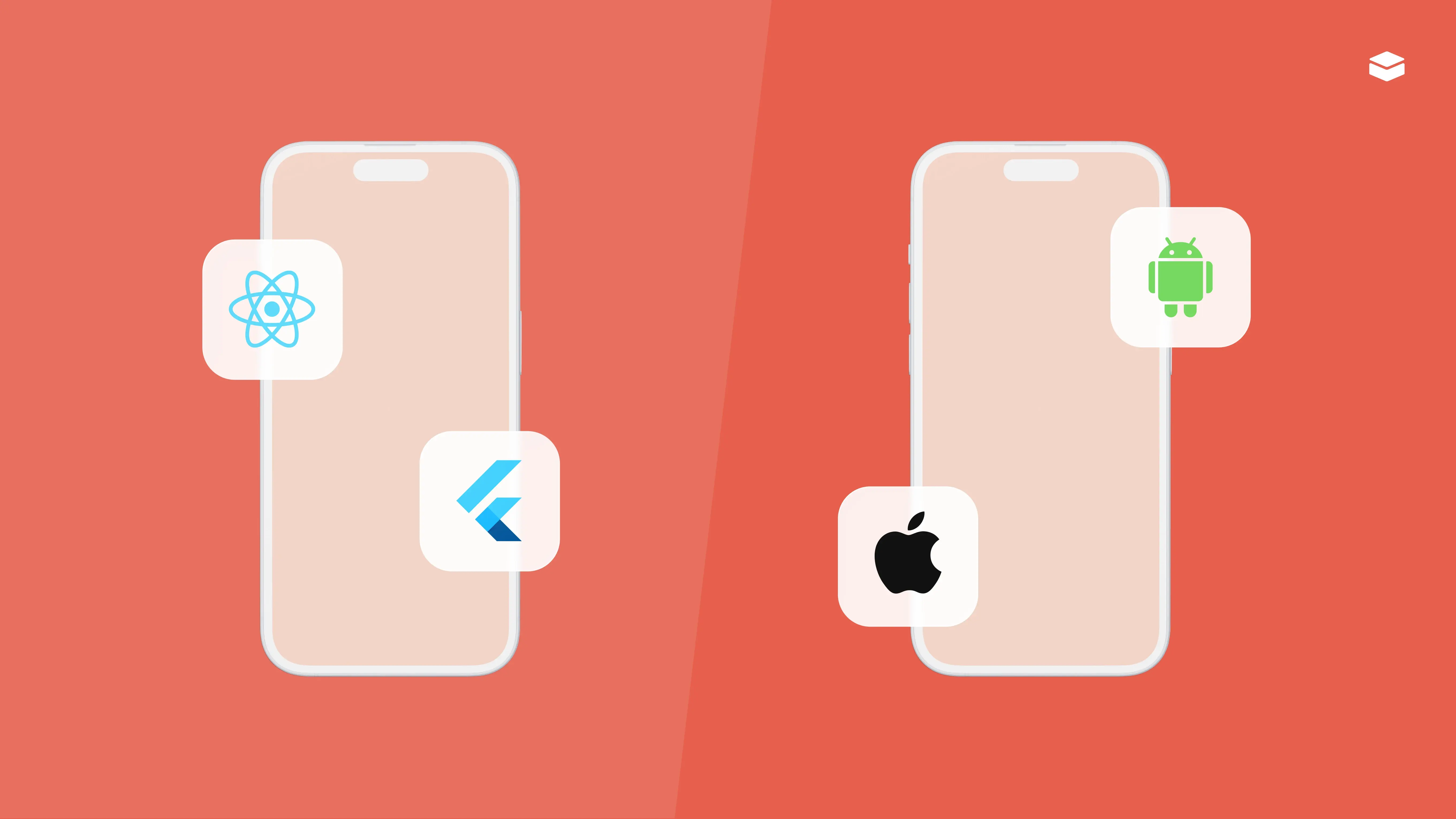
En native-app är en app som byggs separat för iOS och Android, med respektive plattforms egna språk och ramverk – Swift/SwiftUI på iOS och Kotlin/Jetpack Compose på Android. Dessa appar blir helt optimerade för varje operativsystem, följer plattformens designriktlinjer och får automatiskt stöd för nya funktioner så fort Apple eller Google släpper dem. En cross-plattform-app byggs däremot med en gemensam kodbas som sedan körs på båda plattformarna. De två vanligaste alternativen idag är Flutter (Dart) och React Native (JavaScript/TypeScript). Grunden skrivs en gång och anpassas sedan av ramverket till både iOS och Android. Resultatet är att man snabbare får ut appen på båda plattformar och har en enda kodbas att underhålla.
Fördelar med cross-platform (Flutter & React Native)
Cross-plattform blev populärt i takt med att telefonernas prestanda förbättrades och ramverken mognade. Runt 2018–2020 började Flutter och React Native vara tillräckligt bra för att ge användarupplevelser som låg nära native, åtminstone för de flesta typer av appar. För många företag innebar det att man kunde bygga en app för både iOS och Android betydligt snabbare och till lägre kostnad. I de projekt hos oss där förutsättningarna passade för cross-plattform såg vi ofta tidsvinster på ungefär 20–30 procent under perioden 2021–2024. Tidsvinsten ser man i den delen av projektet som handlar om ren implementation. Tittar man på projektet som helhet, så innehåller det förstås design, UX, flöden, API-struktur, tester och produktbeslut som allt tar tid. Sådant blir inte nämnvärt effektivare av att man väljer cross-platform. Cross-plattform lämpar sig särskilt för appar som “company apps”, bokningsappar, nyhets- och informationsappar, interna företagsappar eller appar som primärt visar data. För team med begränsade utvecklingsresurser kan det också vara en fördel att fokusera all utveckling i en kodbas, i stället för att sprida insatserna över två separata teknikspår redan från start. Vi på Intunio må behärska både iOS och Android, men när kunden ska ta över appen efter leverans och underhålla den på egen hand är det givetvis avgörande att appen utvecklas i en teknik kunden behärskar.
Fördelar med native apputveckling (iOS/Android)
Samtidigt finns det många situationer där native är ett starkare val, framför allt när det handlar om känsla, design och hur appen upplevs i vardagen. iOS och Android har olika sätt att tänka kring navigation, animationer, interaktioner och små beteenden som påverkar helhetsupplevelsen mer än man först tror. När man bygger native följer man automatiskt plattformens egna riktlinjer och får en app som känns “helt rätt” för användaren på just deras telefon. Användare bryr sig sällan om att en app är identisk på en annan plattform; de bryr sig om att den känns naturlig på den de använder. Om målet är att appen ska kännas helt skräddarsydd för både iOS och Android är native vanligtvis det mest träffsäkra sättet att komma dit, helt utan kompromisser. Om appen kräver avancerad Bluetooth-kommunikation, sensorstyrning, bakgrundsprocesser, kamera-API:er eller realtidsdata är native-utveckling oftast både stabilare och snabbare att implementera. Om appen ska använda nya funktioner som Apple och Google just släppt, så är native nästan alltid det enklaste och den mest stabila vägen. Cross-plattform-lösningar klarar mycket, men ramverken och deras plugins ligger ofta ett steg efter operativsystemen. Vi har till exempel varit med om att Bluetooth-moduler i cross-plattform helt enkelt slutade underhållas, vilket gjorde att vi i praktiken ändå fick skriva en stor del av funktionaliteten själva. Det är just i sådana här lägen som native visar sin långsiktiga styrka. När man bygger direkt med Swift och Kotlin får man fullt stöd från plattformarna utan att vara beroende av tredjepartsmoduler eller community-drivna paket. Det minskar risken för tekniska överraskningar när nya OS-versioner släpps eller när en funktion måste uppdateras flera år efter lansering. Ett annat långsiktigt perspektiv är att cross-plattform-ramverks popularitet alltid har rört sig i cykler. Även om Flutter och React Native står starka idag är det omöjligt att veta hur landskapet ser ut om fem år. Native-plattformarna utvecklas däremot stabilt år efter år, oavsett trender. Det gör dem till ett tryggt val för appar som är tänkta att leva länge och kontinuerligt utvecklas. Sammanfattat handlar native idag om kvalitet, känsla och förutsägbarhet över tid – samt om att ge användaren en app som är helt skräddarsydd just för just deras plattform.
Viktiga saker att tänka på när man väljer mellan cross-platform och native utveckling.
När företag ska välja teknik för apputveckling är det tre faktorer som oftast styr: appens komplexitet, teamets kompetens och budgeten för utveckling och framtida underhåll. Valet mellan native och cross-plattform handlar sällan om rätt eller fel. Det handlar om vad som ger bäst resultat för ert projekt, ert team och hur ni vill arbeta framåt. När vi startar projekt brukar vi därför hålla en workshop med kunden på vårt kontor i centrala Göteborg, där vi tillsammans går igenom målbild, krav, tidshorisont och teamets kompetenser. Det är nästan alltid i den dialogen som valet mellan native och cross-plattform blir tydligt – eftersom det då baseras på ert faktiska behov, inte på generella tumregler. Här är några exempel på frågor som kan hjälpa till i beslutet: Har appen många tekniska beroenden till telefonens hårdvara? Om appen behöver kommunicera med Bluetooth-enheter, sensorer eller plattformsspecifika bakgrundsprocesser är native ofta det mest stabila valet, eftersom ni får direkt tillgång till allt iOS och Android erbjuder. Har ni webbutvecklare internt som ni vill involvera i appen? Om teamet är starkt på webbutveckling och ni vill kunna ta över appen själva är React Native ett logiskt val, eftersom webbutvecklare snabbt kommer in i ramverket. Vill ni att appen ska ha samma visuella uttryck på iOS och Android? Om målet är en identisk design och samma UI på båda plattformar är Flutter ofta det mest konsekventa alternativet, eftersom ramverket ritar all grafik själv. Bygger ni en relativt okomplicerad app som främst presenterar data eller innehåll? Om appen handlar om listor, bokningar, feeds eller annan tydligt strukturerad funktionalitet är cross-plattform vanligtvis både snabbare och mer kostnadseffektivt. Är det viktigt att appen känns helt naturlig för användaren på deras plattform? Om ni vill att användaren ska möta en upplevelse som följer alla gester, interaktioner och konventioner på iOS respektive Android är native det självklara valet. Har ni en begränsad budget och vill få ut en relativt enkel app på både iOS och Android samtidigt? Då är cross-plattform ofta det mest kostnadseffektiva valet. Vill ni att tekniken ska vara långsiktigt trygg och förutsägbar i flera år framåt? Om appen är tänkt att leva länge, kontinuerligt utvecklas och vara stabil oavsett trendcykler är native det mest långsiktigt hållbara valet, eftersom ni slipper beroenden till ramverk vars popularitet kan förändras över tid. Behöver ni på sikt även kunna använda samma kodbas för webb eller desktop? Om ni planerar att bygga både mobilapp och en enklare webb- eller desktopversion kan cross-plattform vara en fördel. Flutter och React Native erbjuder stöd för både webben och desktop, vilket kan ge viss återanvändning av logik och komponenter. Samtidigt är dessa plattformar fortfarande mer begränsade än traditionella webb- och desktopramverk, så om webben är ett huvudspår bör man alltid utvärdera alternativen noggrant.
AI och nya verktyg minskar gapet
Under det senaste året har AI förändrat utvecklingsprocessen enormt. Det här påverkar direkt balansen mellan native och cross-plattform. Tidigare handlade mycket av teknikvalet om att undvika dubbelarbete – men nu är dubbelarbete inte lika dyrt, eftersom AI kan automatisera stora delar av portering, testning och repetitiva kodmoment om det används rätt. I praktiken innebär det att utvecklare snabbare kan skapa motsvarande funktionalitet på båda plattformarna, vilket gör att skillnaden i tid mellan cross-plattform och native i vissa projekt kan vara förvånansvärt liten. Det betyder inte att cross-plattform har tappat relevans – tvärtom är det fortfarande ett mycket bra val för vissa typer av applikationer. Samtidigt är det viktigt att förstå att detta landskap är i ständig förändring. Både native och cross-plattform blir snabbare att utveckla i takt med att verktygen förbättras, och det är svårt att säga exakt hur balansen kommer att se ut framöver. Portering mellan plattformar kommer sannolikt fortsätta bli enklare, och med rätt arkitektur, komponentbibliotek och verktygskedja kan gapet mellan teknikerna hållas minimalt även på lång sikt. AI förändrar alltså inte bara hur vi utvecklar appar, utan även när det ena eller andra alternativet är rätt. Det gör det viktigare än någonsin att välja teknik baserat på appens behov och organisationens förutsättningar.
Avgränsning
Den här artikeln utgår från de frågor vi oftast möter i våra kundprojekt, främst valet mellan native och cross-platform apputveckling för iOS och Android. Vi tar därför inte upp alla tekniska möjligheter, som Kotlin Multiplatform eller scenarier där man även vill bygga samma tjänst för webben. Det finns fler perspektiv än de vi lyfter här, och vi hjälper gärna till även i sådana vägval. Syftet här har varit att ge en tydlig och praktiskt användbar genomgång baserad på de beslut våra kunder vanligtvis står inför.