Latest from us
Updates, client projects, events, and other things happening at Intunio.
Published
August 18, 2026
Design and development at Manta Marine Technologies
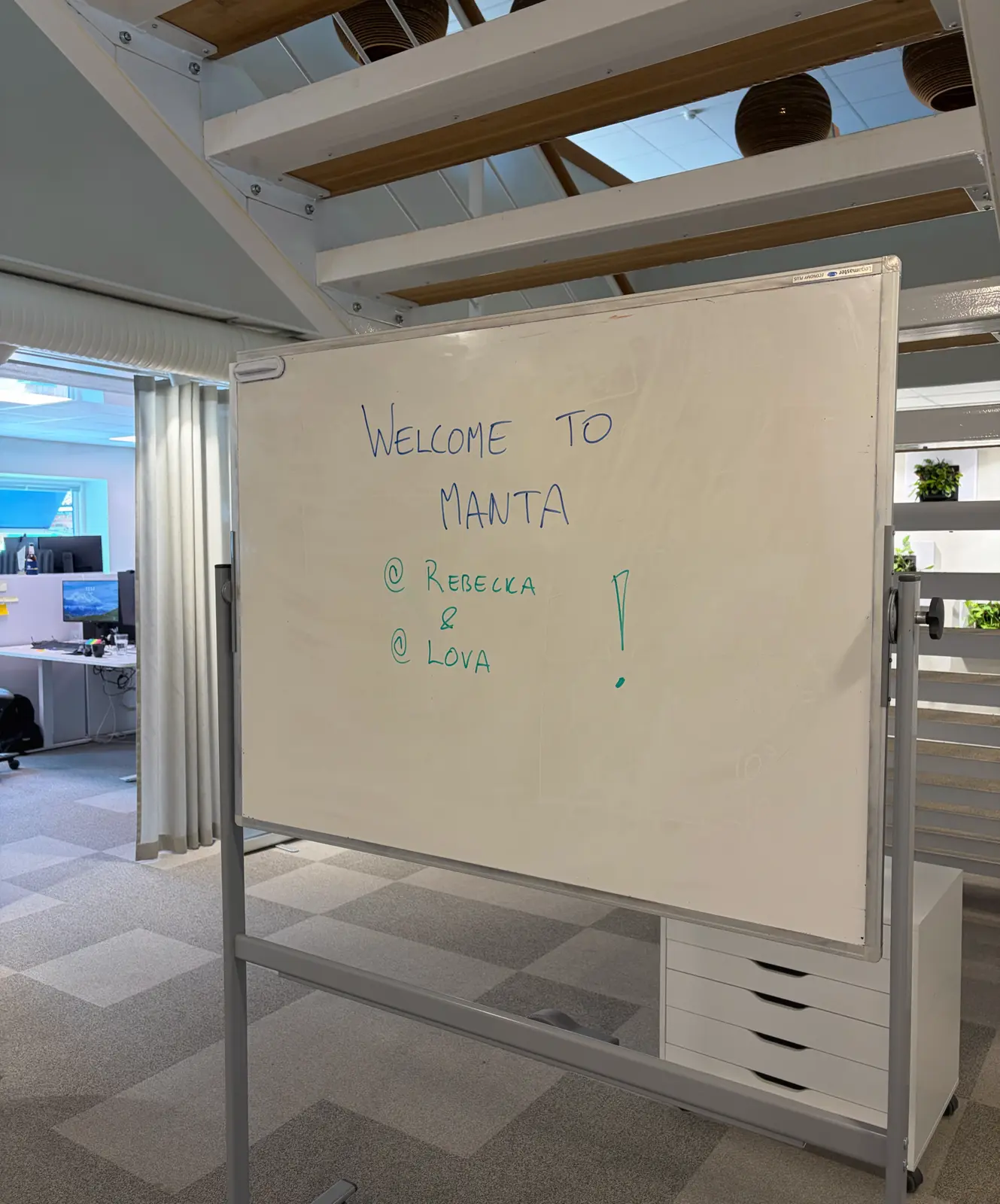
In June we started a UX assignment at Manta Marine Technologies. After the summer break we are back with them, and now one of our developers has joined the assignment too. 🐙 So we are on site at Manta Marine with both design and development. Good to be up and running again! 🧡
Published
May 19, 2026
EU Diversity Month 2026 at Intunio
On May 26, we're hosting Add Gender AB, Normingenjörerna and Antidiskrimineringsbyrån Fyrbodal at our office. 🧡 The event is about inclusive recruitment processes, EU Diversity Month's theme for 2026. How do you actually pull that off when daily work is full of stress, quick decisions and cognitive biases? The event runs 15:30-17:30 at our office and everyone is welcome to drop by: sign up here.
Published
May 13, 2026
.md – a new standard for design systems?
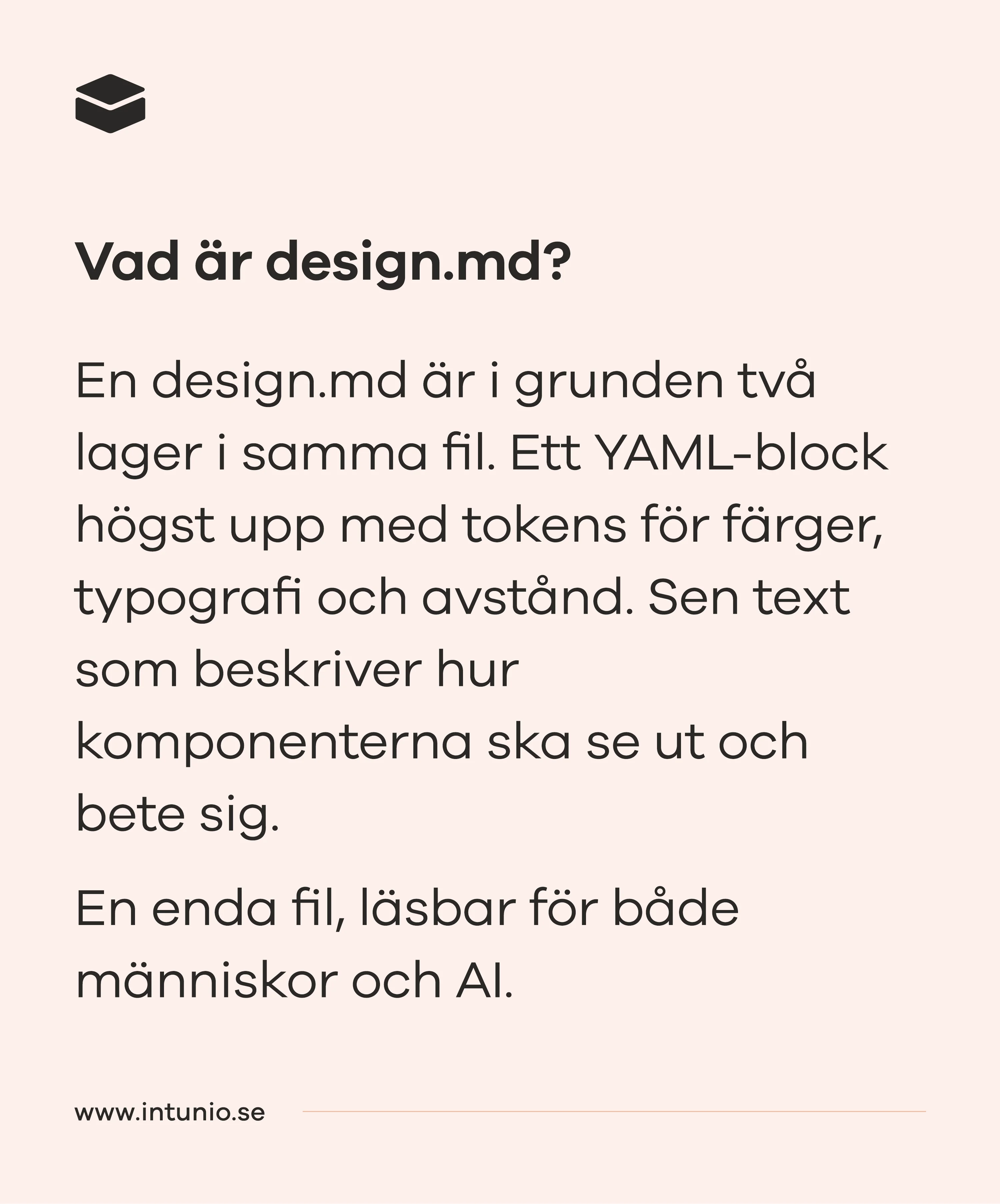
Design systems have long had a clear form. Colors, typography, and tokens. Components in Figma. A connected codebase and documentation that ties everything together. The model is built for a world where humans design and humans code. Now AI agents are writing interface code for real. Over the past year, a new format has emerged: a plain text file that describes the design system so both humans and agents can read it. 👉 Here is how we think about what it means: .md – a new standard for design systems?
Published
May 7, 2026
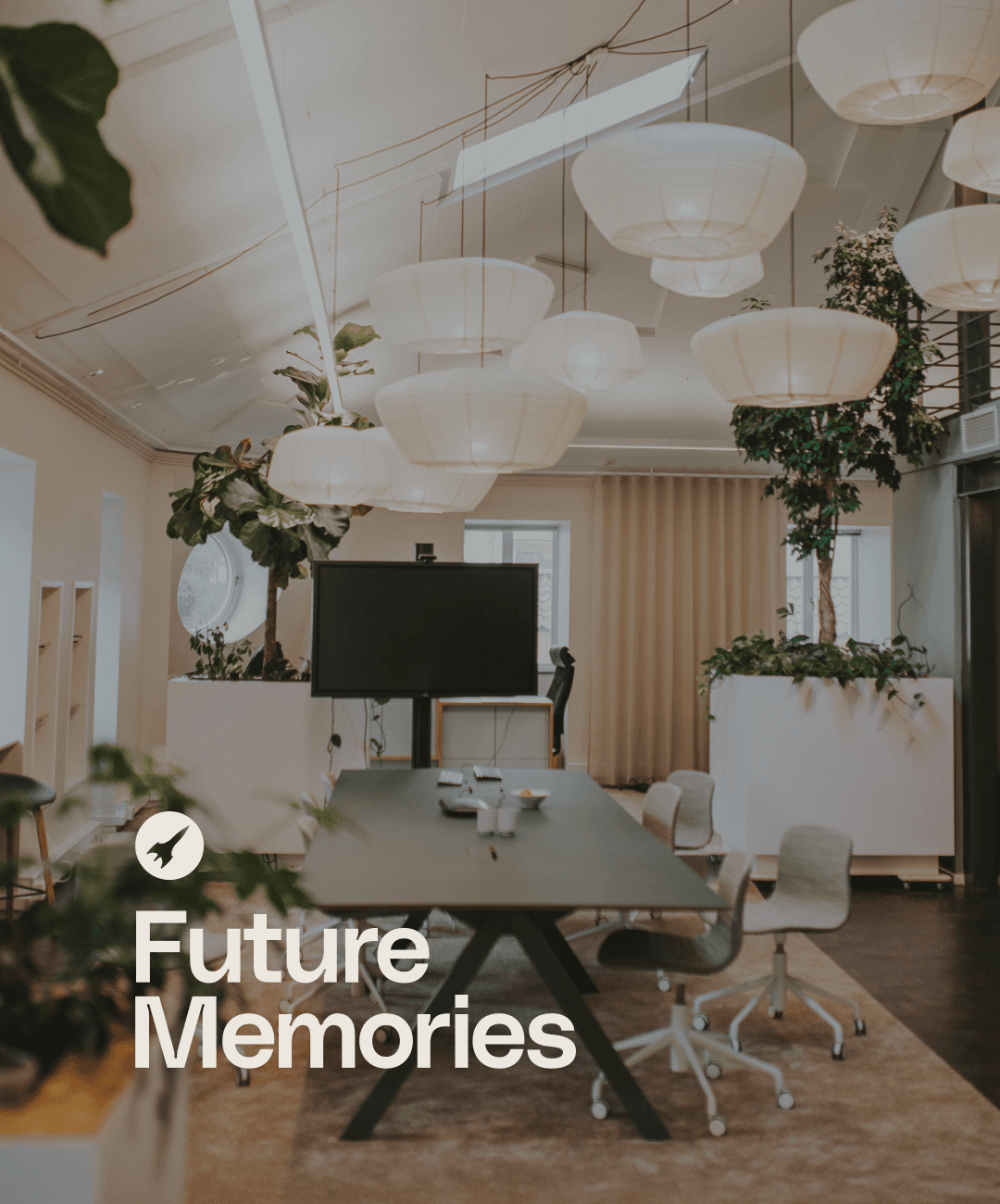
Future Memories are our new neighbours at the office
We have new neighbours at the office. Future Memories are moving in and will be sitting with us going forward. 👋 It's nice to have industry peers this close. Welcome! 🧡
Published
April 29, 2026
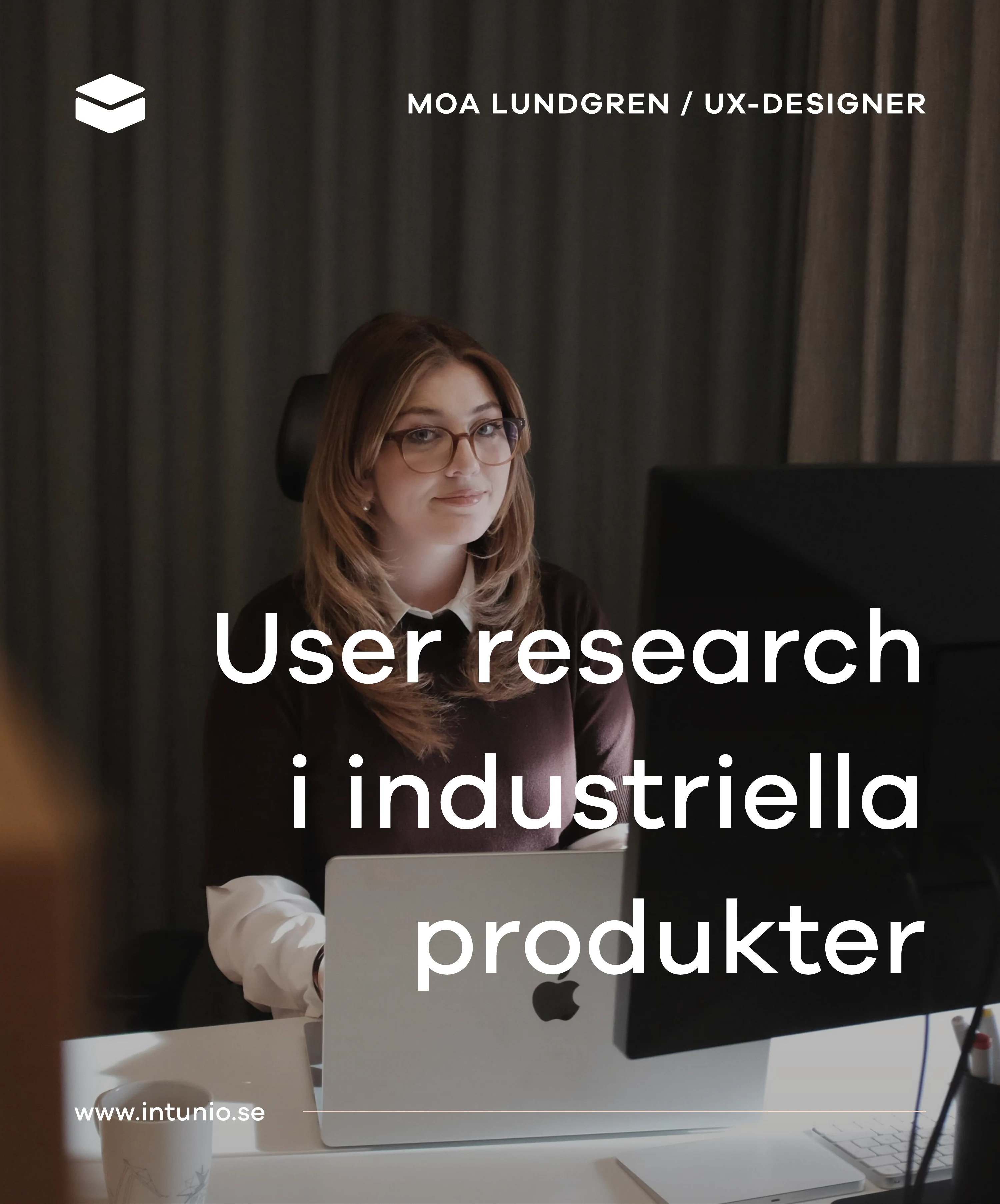
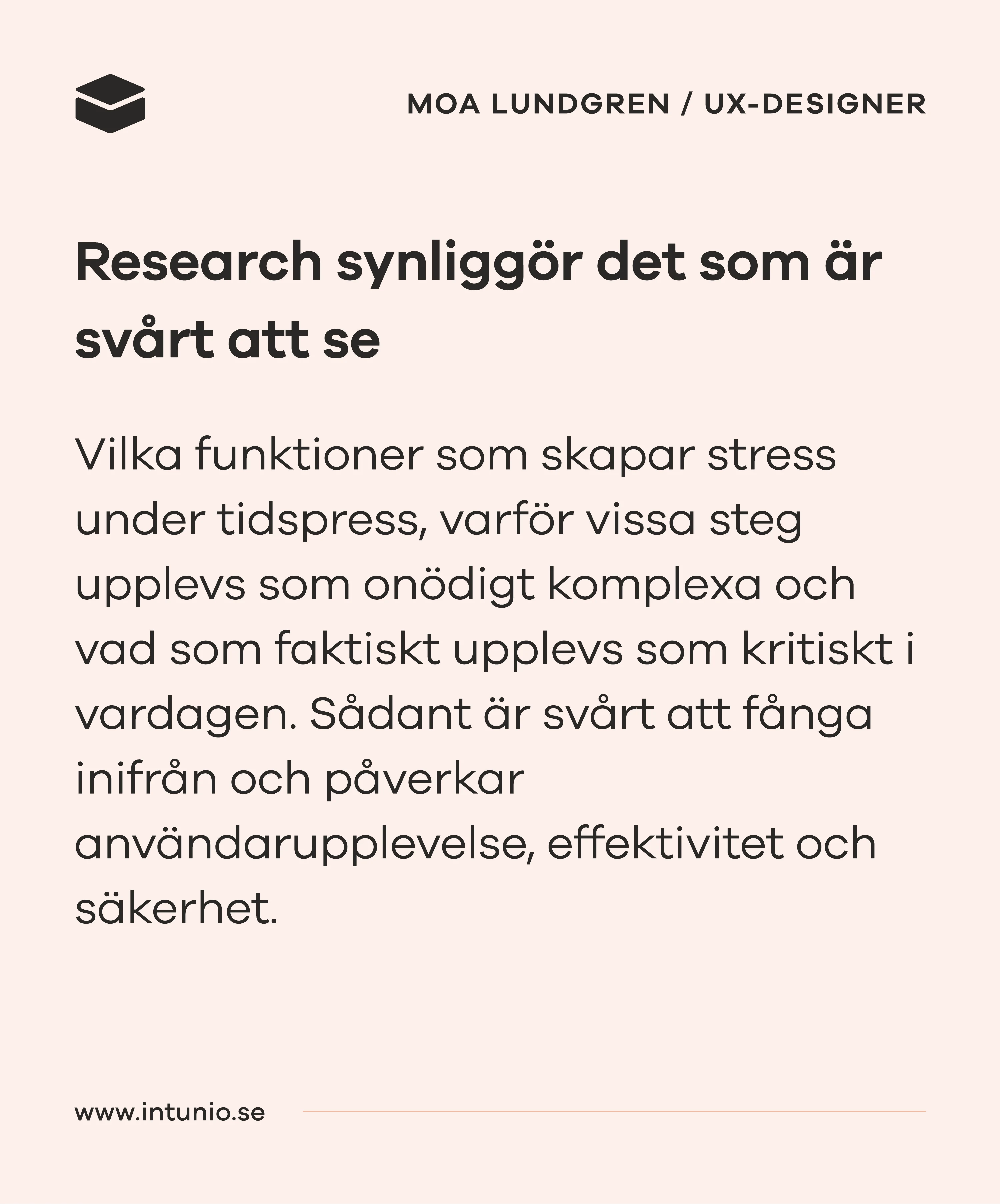
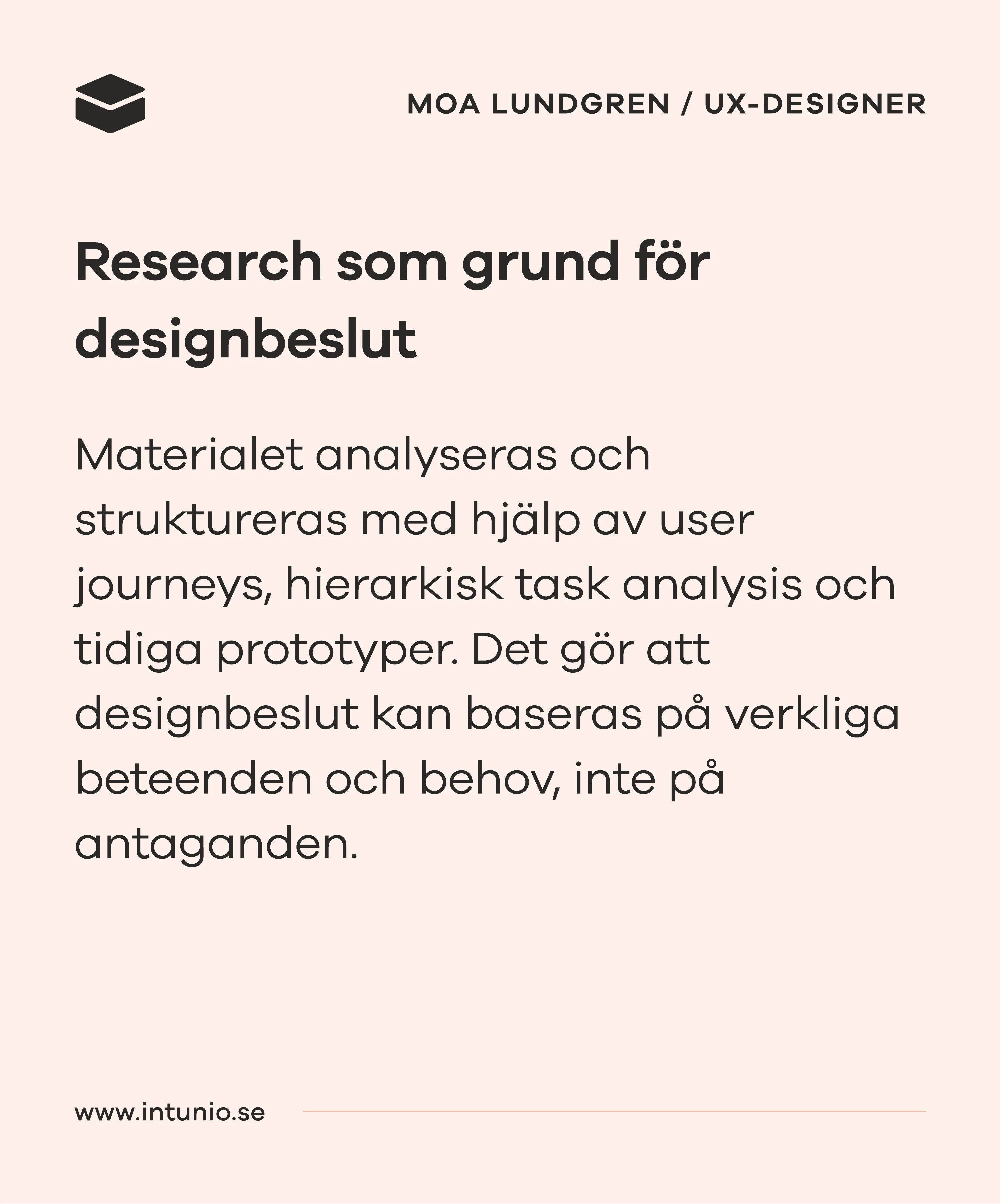
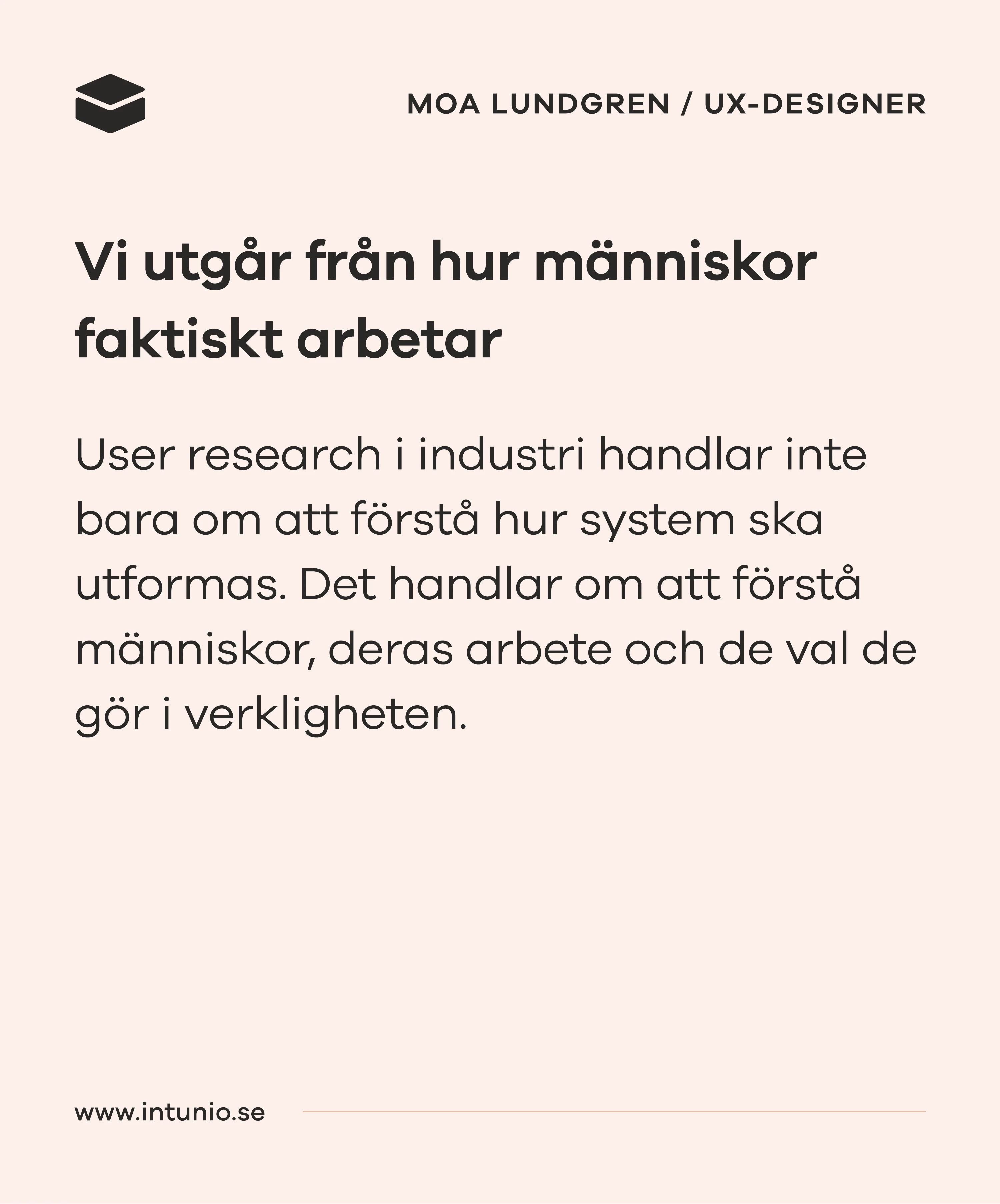
User research in industrial products
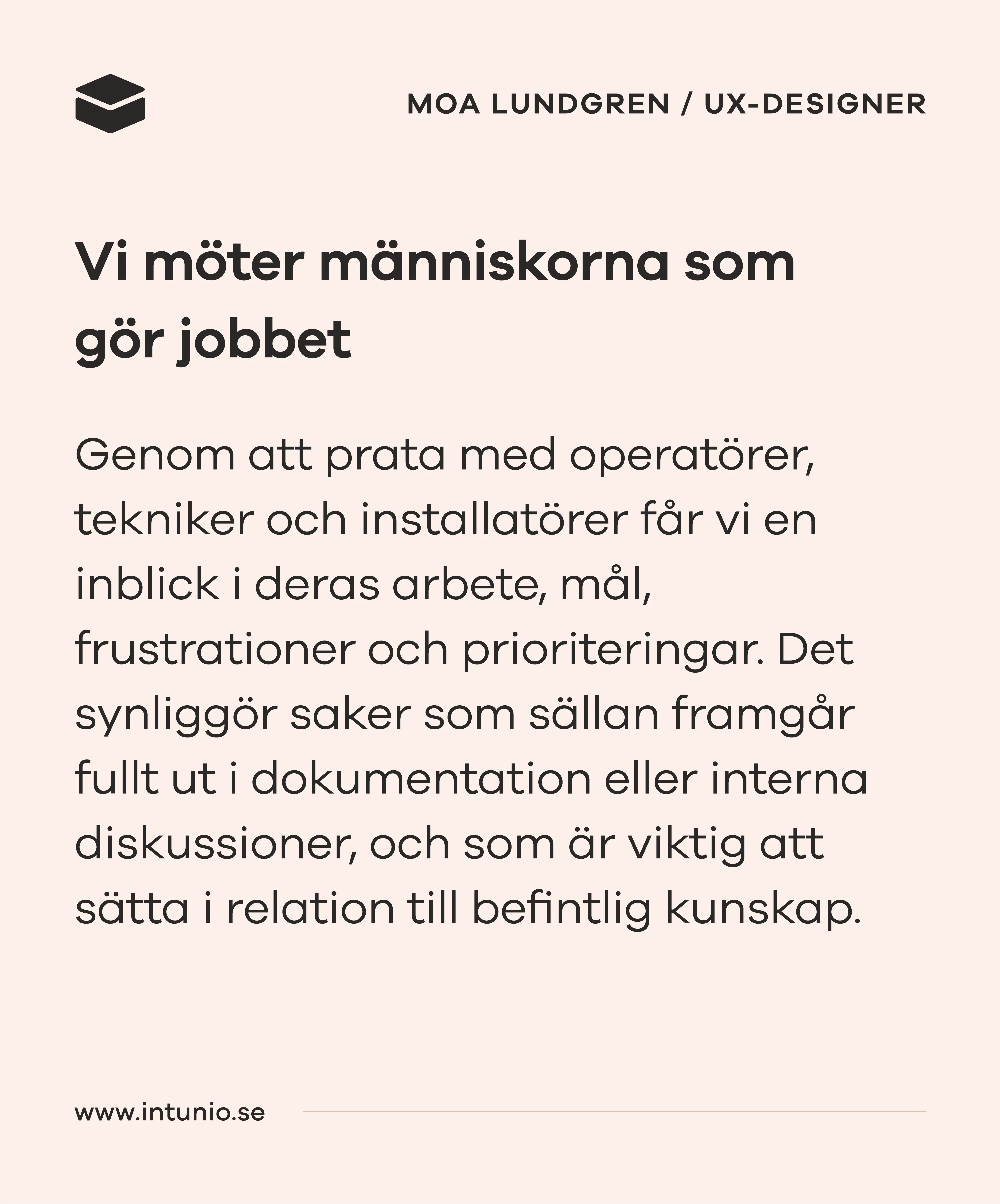
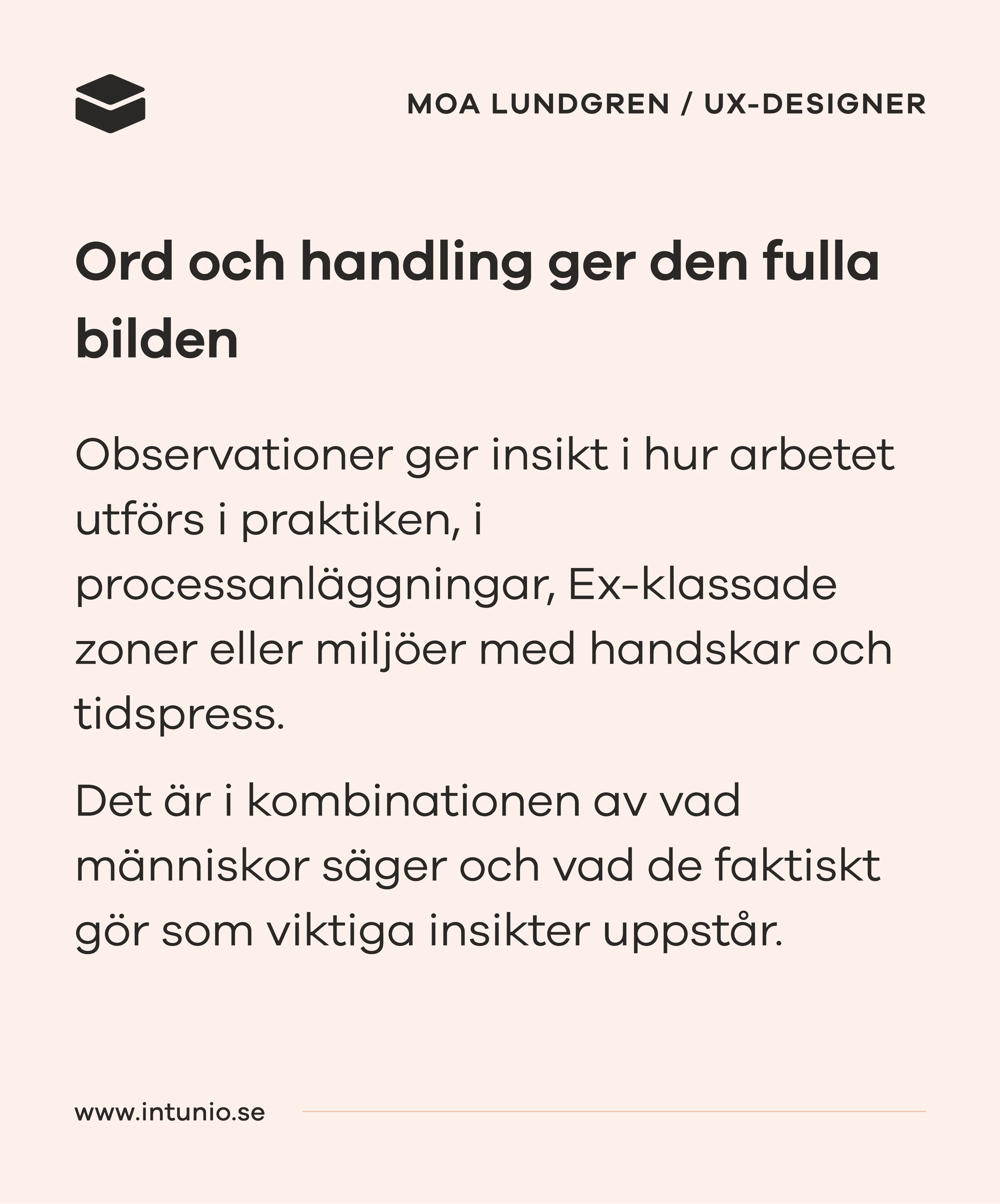
To understand how industrial products are actually used, we meet the people who work with them every day. It is in conversations with operators, technicians and installers that the real insights emerge – the kind of things that rarely come through fully in documentation or internal discussions. 💬💡 Moa Lundgren shares some perspectives on how we work with user research in industrial products. 👉 Read more about the project Emerson
Published
April 22, 2026
Foss-north community day 2026
On Sunday we're lending out our office to foss-north, an open source conference held in Gothenburg every year. 🙌 Daniel Raniz R. is hosting a hands-on workshop on Test Driven Development for everyone curious about open source and better code. Great to see FOSS North choose to hold their community day with us this year! 🧡 👉 Read more about the event


Published
April 14, 2026
When AI should be felt – but not seen
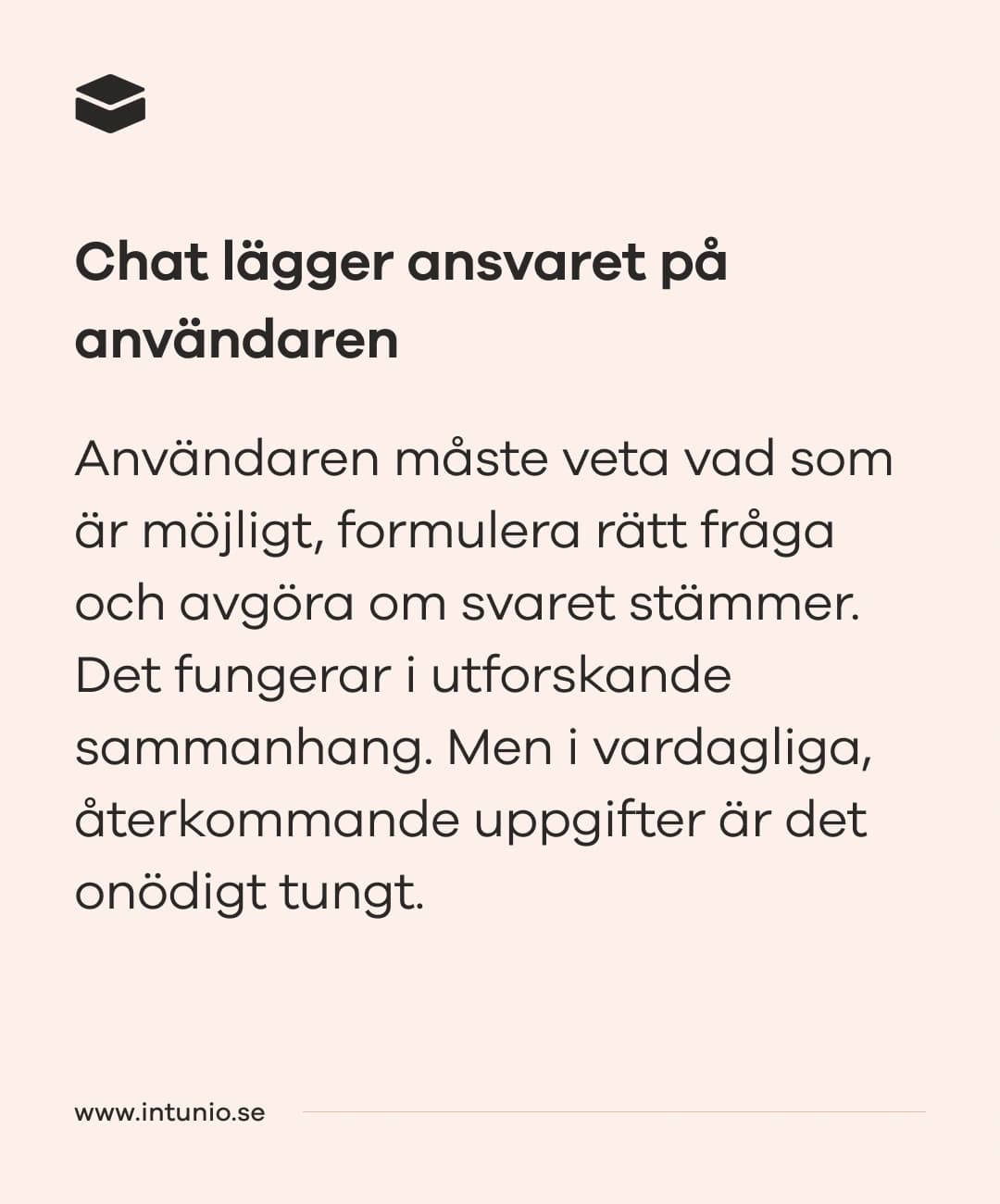
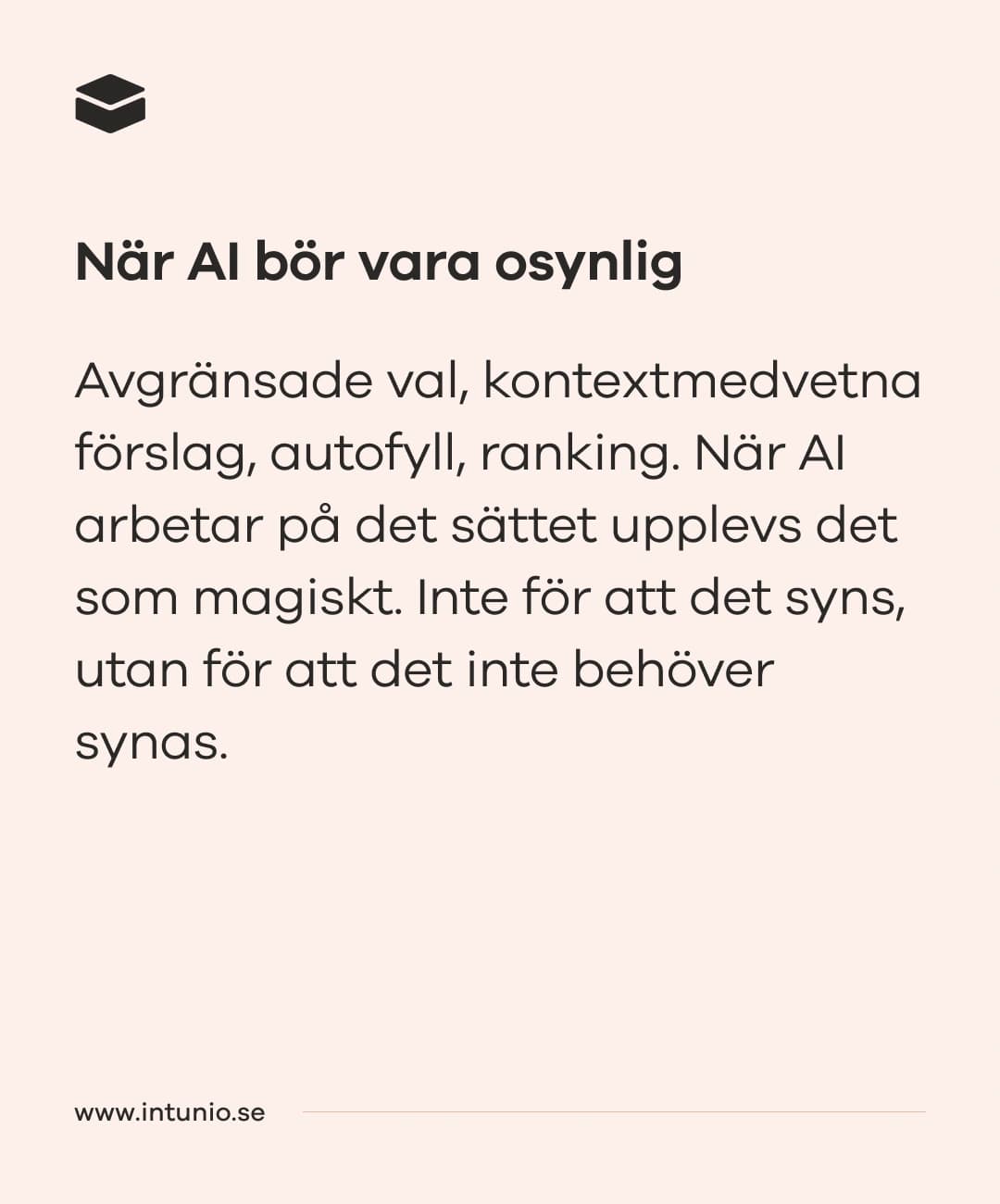
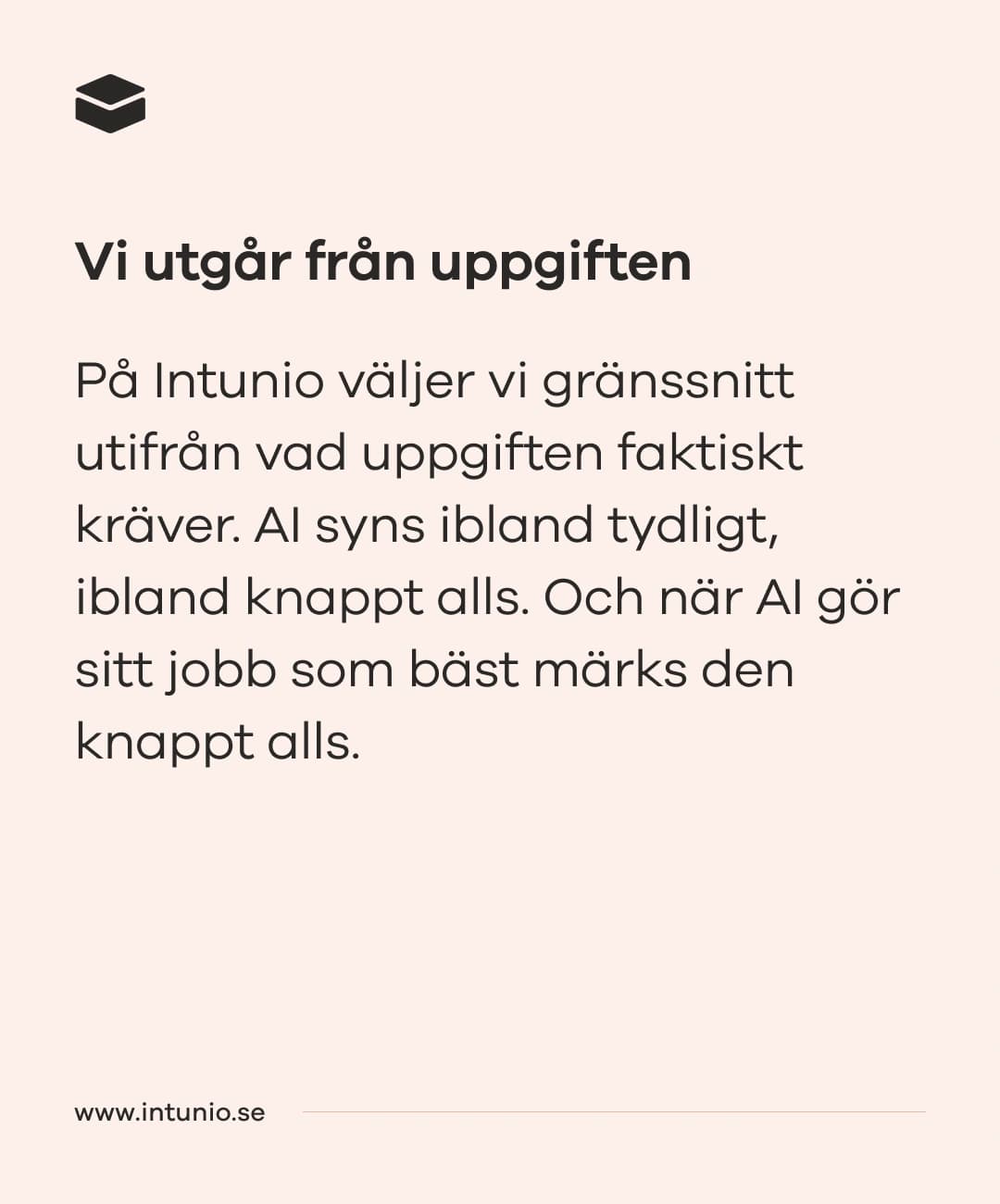
Many companies we meet want to integrate AI into their products. The question is almost never whether to do it, but how. 🤖💭 Chat is a natural first choice. But depending on what the product needs to do, there are often better options. Here is our perspective on when chat is the right choice and when AI does the most good without being noticed: When AI Should Be Felt – But Not Seen
Published
March 31, 2026
HERE Tech Day in Gothenburg
Yesterday, we attended HERE Tech Day, hosted by HERE Technologies, at Hotel Draken in Gothenburg. 🚀 Our partners RemotiveLabs and NIRA Dynamics were on site showcasing demos throughout the day, which was great to see. 🙌 Here’s a demo we developed together with NIRA Dynamics, where we visualize road conditions and data in a driver interface. 👉 Learn more about the project: Nira Dynamics
Published
March 20, 2026
Figma plugin to track component usage across files
Imagine you have a design component that is used in 40 places in a large Figma project, across multiple files. You want to make an update. But before you do, you want to understand the impact – which screens are affected, which flows change, and what might break? 👀 Without the right tools, this becomes a manual, painful and time-consuming task. So our designer Sebastian Troedson and developer Johan Huynh built their own plugin to solve it: Hugin 🙌 Hugin shows exactly where a component is used – even across multiple files – so you can make well-informed decisions before making a change. Less manual searching, fewer broken components, and better control in your design system. ✨ Hugin is available in the Figma community if you want to try it
Published
March 11, 2026
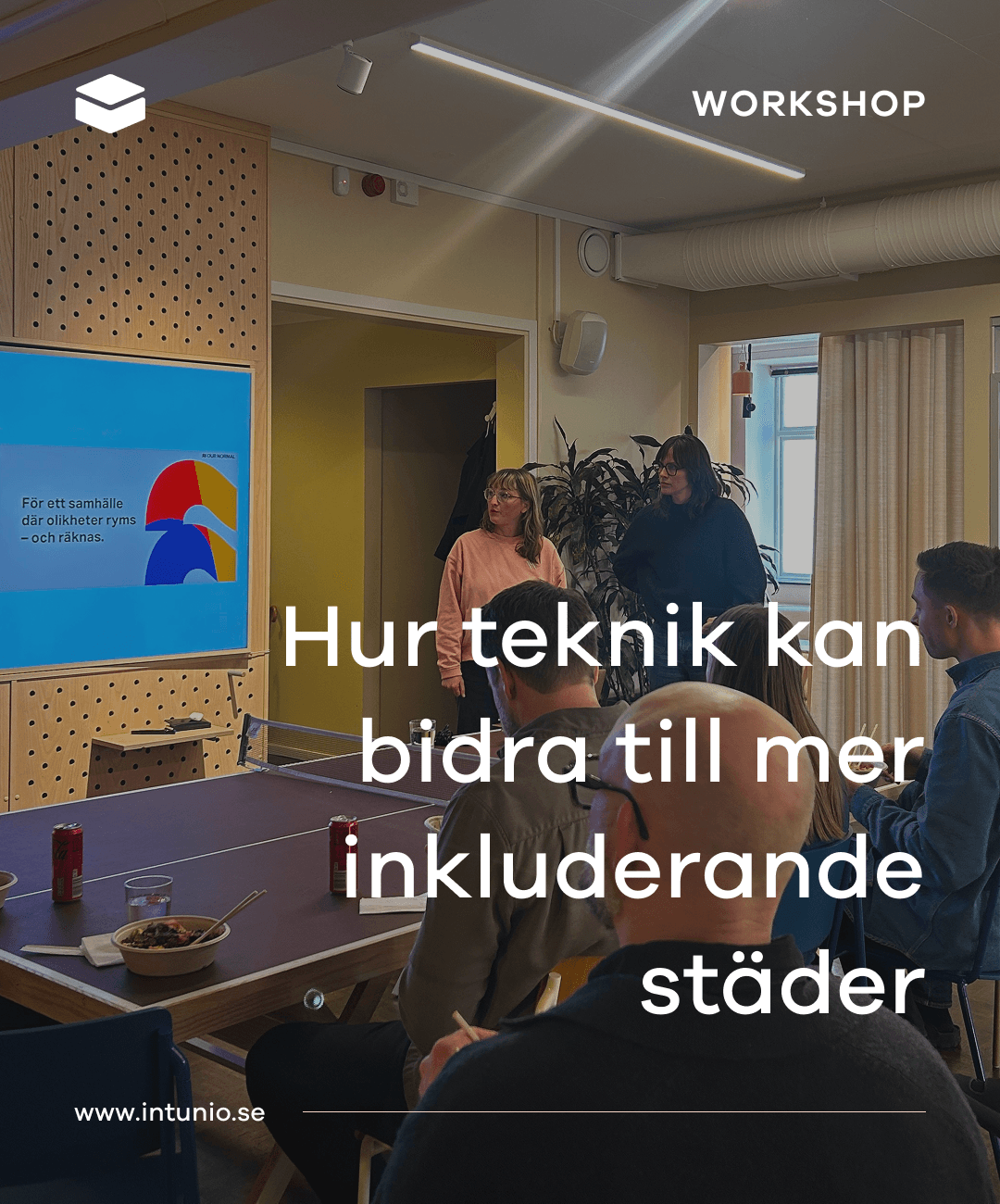
How technology can contribute to more inclusive cities
Last week, Jenny Lindström Beijar from Our Normal and Anna Kolback from Studio Berget held a lunch workshop with us about the project European Citiverses Uniting for Inclusiveness. The project brings together 12 partners from across Europe 🌍 with the goal of creating smarter, more inclusive and more human-centered urban environments. After the presentation, we worked in groups to discuss and further develop ideas on how technology can help lower barriers in city life for people with special needs, children, and other groups that often face barriers in everyday life. An inspiring and important discussion about how design, technology and collaboration can contribute to more inclusive societies. 🤝 Thank you to Jenny, Anna and everyone who participated in the workshop! 🧡