Building an app or web service in Gothenburg – from idea to working product
Building an app or web service involves many decisions about which needs the product should meet, how it should work and what to prioritize first. At Intunio in Gothenburg, we help companies without a large in-house development team take apps and web services from idea to launch and continued development. We are experienced developers and designers with a solid background in digital product development, and we use AI throughout the work to explore, build and improve faster. Perhaps you have already built something with AI and discovered that there is a business to develop. Perhaps you want to take an offering that is sold today through catalogs or personal contacts and make it available digitally, or modernize a service that already has many users. AI has made more initiatives like these possible to explore and realize, while the need for clear product decisions and a well-considered way of working remains. Our job is to make the way forward understandable and help you choose a setup that fits your business, budget and ambition. With our development and design expertise, we can both create solutions ourselves and review, refine and quality-assure what is produced with AI.

Johan Frej
CTO
We start by understanding what you have and where you want to go
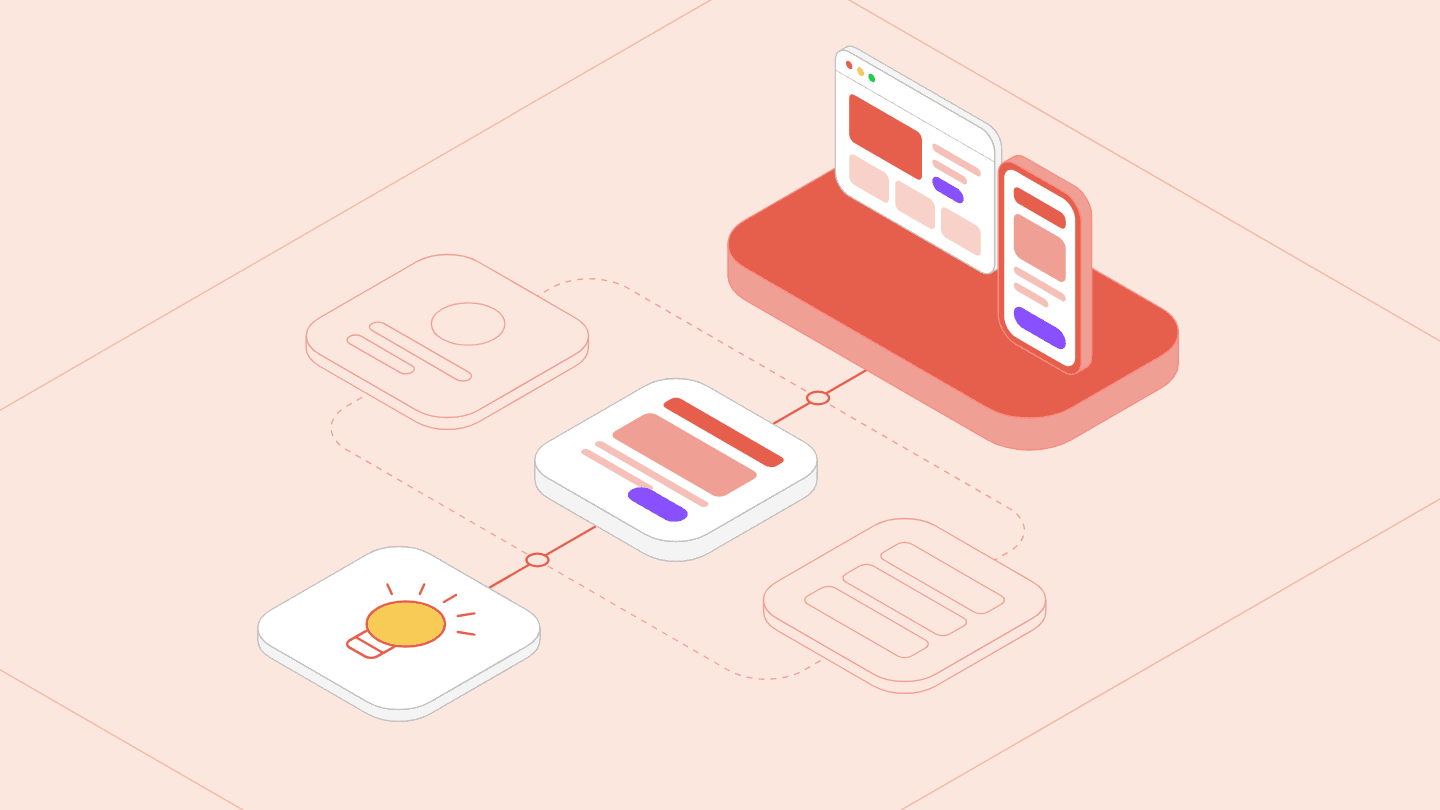
You can come to us with an idea, a need or a product that already exists. We start by understanding the business, the customers you serve and what you want to change, so that your knowledge of the business becomes a foundation for the work.
A workshop is often a good way to build that picture. We adapt the format to your situation and go through requirements and wishes together with the material you have. That could be a brand, a prototype, insights about your users or systems the new product needs to work with. If you are starting from an idea, we help you make it more concrete.
For clients in Gothenburg, we can hold workshops and check-ins at our office or at yours. When we walk through a workflow together, discuss an idea or look at an existing solution, it becomes easier to understand both the opportunities and the questions that need to be sorted out. You describe the business in your own words, and we help you translate the needs into design and technical decisions.
If you have not yet decided between an app and a web service, we can help with that choice too. We then start from how the product will be used, which devices and systems it needs to work with and how you want to develop it going forward.
AI makes it faster to explore and choose
In our work, we have been able to explore large concepts very quickly with AI, which makes it possible to compare different directions and get something concrete to discuss early on. When you can see and try an idea, it becomes easier to discover what works, what needs more thought and what can be dropped while it is still easy to change course.
The high pace makes selection more important, since every new feature affects how the product is understood, used and developed. We therefore put great emphasis on finding a clear, intuitive core and agreeing on what the first version should be really good at.
If you already have an AI-built prototype, we help you assess what works and what work remains to reach the product you want. A prototype can feel almost finished because AI quickly fills in what is missing from the description. For the result to match a more specific vision, however, flows, concepts and details need to be specified and fit together.
Here, our experience of developing products helps us reach decisions efficiently, test them in design and carry them into development. You get support in articulating what matters to you and in understanding how different choices affect the whole, something we also describe in our thinking on strategy and deliberate product choices.
Understanding the product through the users' eyes
For someone who knows their business, many terms and workflows are self-evident, while a new user may meet the same product with entirely different prior knowledge and expectations. That makes it hard to predict exactly where the person will hesitate, misunderstand or get stuck, even when the solution feels simple to the one who commissioned it.
Different target groups may also value different parts of the offering. In a service that users are expected to pay for, their needs affect both which features are worth developing and how the benefit needs to be explained for the service to be attractive.
How we investigate this depends on what you already know and which questions need answering. In some projects we can start from existing customer knowledge and experience of similar products; in others, target group work, interviews or tests are valuable support early on. It can also make sense to first produce a working version and then learn from how it is used.
When user studies are the right effort, we have tools for recording how people use a prototype or product, for example, and then structuring and summarizing the material with AI. This makes processing multiple interviews more efficient and provides a basis for examining recurring needs and difficulties. The tools support the work, but interpreting the observations and deciding what they mean for the design of the product is still a task for the UX designer.
The choice of method and scope should help us make better decisions in your particular project. In our article on lightweight ways to get valuable user insights, we describe more ways to adapt the work to needs and budget.
What affects the cost of an app or web service
The cost of developing an app or web service depends on which features are included, which systems it needs to integrate with and how much work is needed on design, development and quality assurance. Requirements for ongoing maintenance and change also affect the setup, so a useful estimate needs to start from your product and how it will be used.
For somewhat larger projects, we often begin with a limited pre-study, usually at a fixed price. There we specify what should be included and investigate key decisions, which gives a basis for estimating the cost of what follows with greater precision. Read more about our pre-study process to see how it can work in practice. When the conditions are already clear, we can adapt the start and move straight on to design and development.
AI can make several parts of the work more efficient and leave more room within the budget to explore or refine the product. Together we choose how close to the vision the first version should come, how polished the experience needs to be and which trade-offs suit your situation.
A newly started company that wants to quickly find out whether an idea is appreciated can prioritize early feedback and accept that parts will need to be reworked. A company modernizing a service for thousands of existing users also needs to factor in their established ways of working, their expectations and what already works. Both can benefit greatly from AI, with different setups for development and quality assurance.
A first working version with a clear core
We almost always recommend that the first coherent delivery contains a carefully limited selection of features. That gives us the opportunity to get the core of the product working as a whole and verify that the most important flows hang together, that the technology works together and that the experience and performance meet expectations.
Designers and developers work together, and we connect their tools so that AI can support the work from exploration to implementation. By adapting source material, AI strategies and quality assurance to the different parts of the project, we can keep the decisions intact as they are turned into a working product. The developers can write and change the code themselves and judge how the solution should be built further, while the design work keeps the focus on use.
The first version then provides a concrete basis for the next decisions. As we learn more about what users appreciate and what creates value for your business, we can assess which features should be added and how they fit into the whole.
Planning the path to a broader launch
Starting with a narrow, working core gives a clear first delivery. After that, you can choose to try it internally, let a smaller group use it or prepare a broad launch, depending on what suits the business and the expectations of the target group.
For many products, it is valuable to start with a smaller group whose experiences can guide continued improvements. The product then comes into use earlier, while you can let a larger marketing effort wait until the offering has reached the level you want to show. More of the decisions about what to add can in this way be based on actual use and clearer signals about what customers appreciate.
In other contexts, there are good reasons to develop more before launch. A certain target group may need a more complete offering, and a new version of an established service may need to be a clear improvement to be well received. We help you weigh such reasons against the opportunity to learn earlier and set up a plan where the first delivery, continued development and marketing fit together.
A digital partner to keep developing with
When the product starts being used, new insights and requests emerge, which makes continuity valuable after launch as well. For companies without a larger development team of their own, Intunio can be a long-term digital partner that brings design, development and quality assurance together in the same collaboration.
We see it as a shared responsibility for the direction of the product, where understanding the business makes it easier to prioritize when conditions change. That perspective affects how we build the product and how we plan for maintenance and further development. Read more about how we view partnership over time.
If you want help building an app or web service in Gothenburg, a first conversation is a good start. Tell us about the need, your starting point and what you want to achieve, and we will suggest a suitable next step. We are happy to meet at your office or ours.
Read about our app development or contact us. More perspectives on design, technology and product development can be found among our insights.