Design systems for industrial companies and digital platforms
Intunio builds design systems that create consistency, faster delivery, and a shared foundation for design and development to work from.
Intunio is a design and development studio in Gothenburg, building design systems for industrial companies and digital platforms. We take the design system the whole way, from tokens and components in Figma and in code to governance and ongoing maintenance, so multiple products and teams can work from the same foundation.
Our centre of gravity is industrial product families where multiple software products, teams, and platforms need to hang together. Long-term experience from engagements with Electrolux and Emerson, where the design system is the foundation for several products within each organisation.
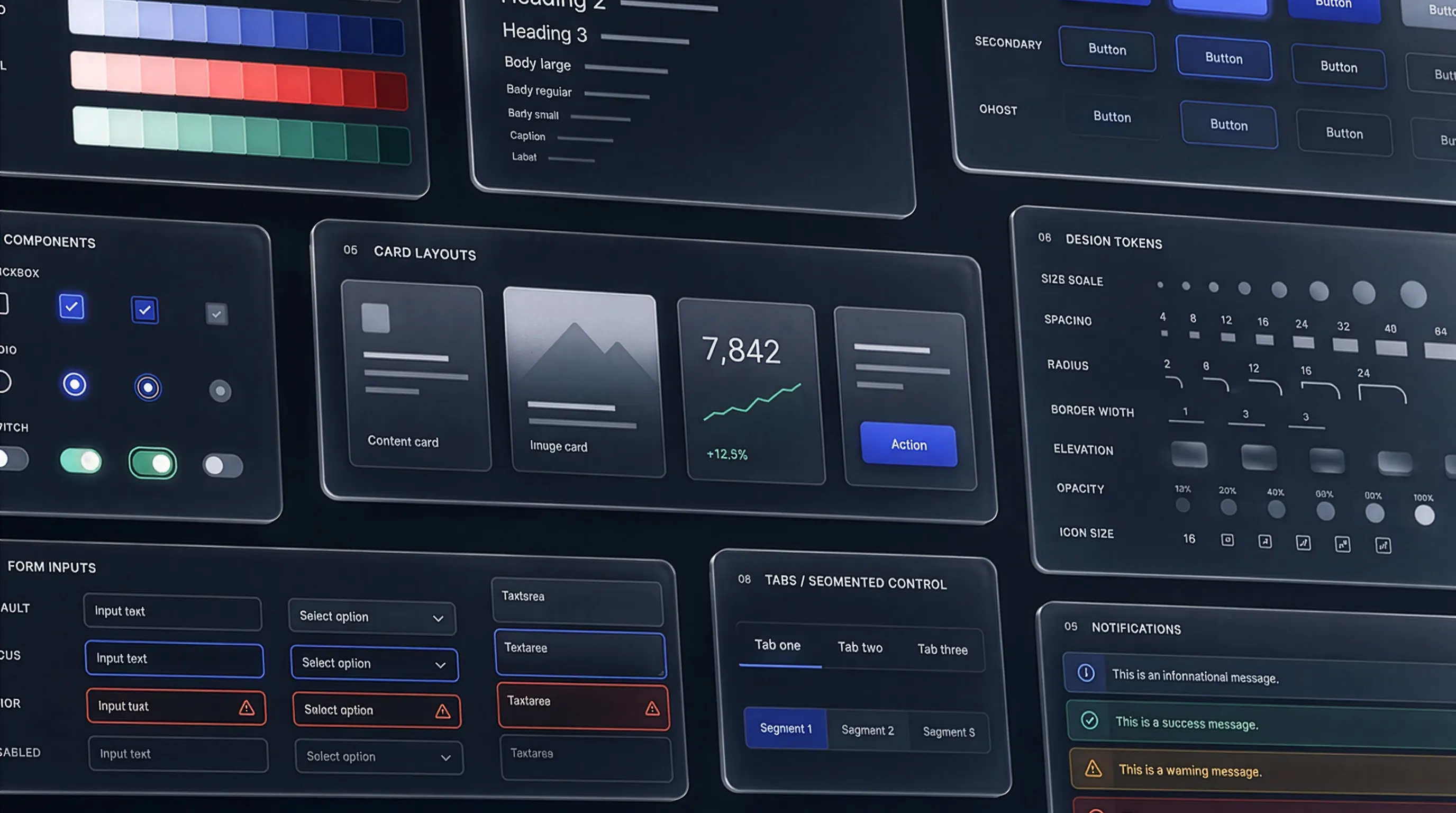
What a design system does for product development
For teams that haven't worked with design systems before, the value isn't always obvious. At Intunio we see five areas where a design system actually makes a difference:
Consistency within the product and across products
Same button, same list, same error message. Users build understanding through recognition, friction drops. In product families where several software products are used by the same operators, consistency is what makes the products feel like one whole.
Intuitive interaction based on recognition
Users want to get things done, not think about the interface. Familiar component patterns become default in the design system, so users recognise their way around from the first click instead of having to learn something new in every feature.
Accessibility as default
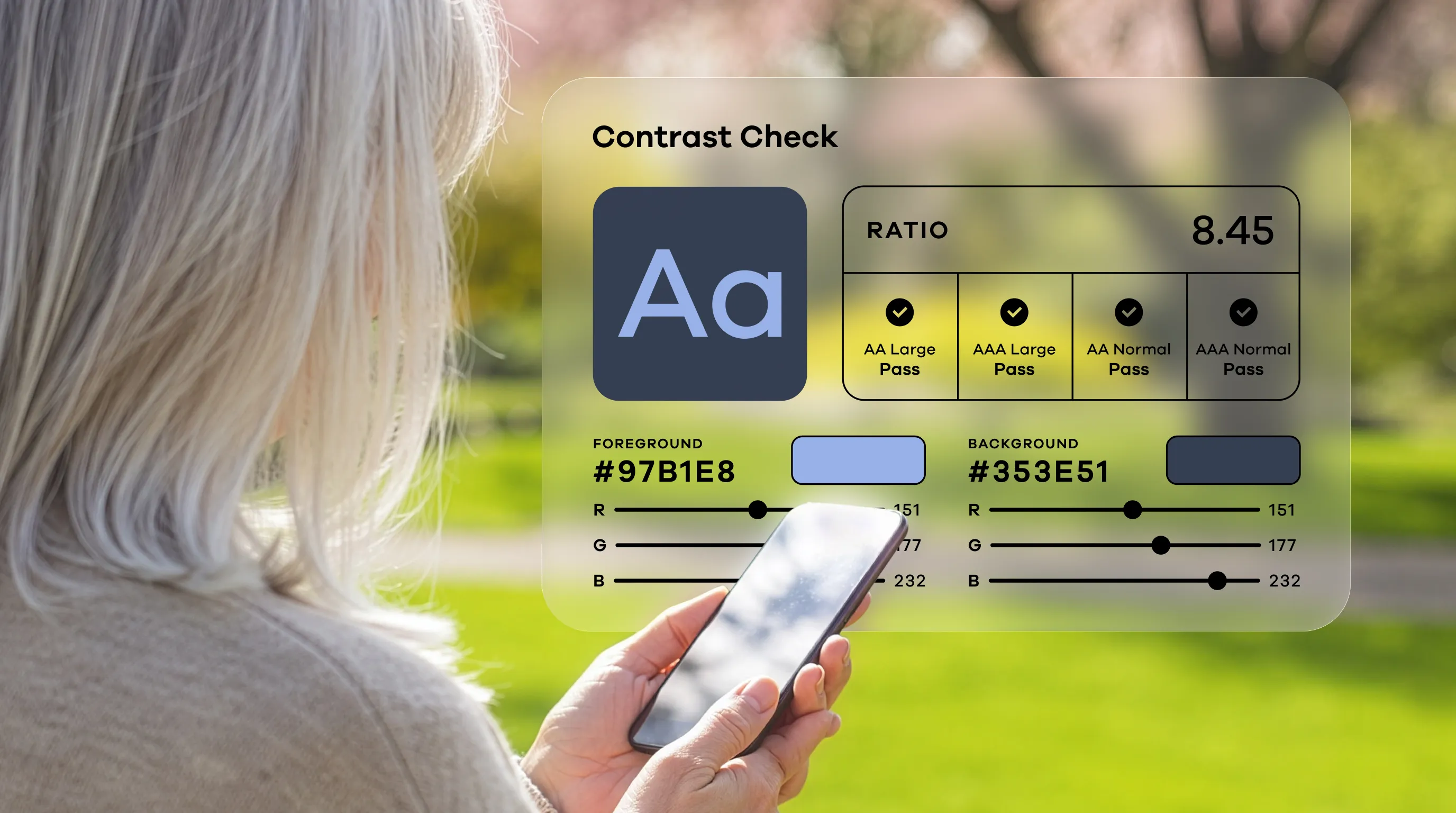
Correct contrast, focus handling, and component patterns built into the foundation make accessibility part of quality rather than a separate workstream. With EAA and WCAG as requirements, this is one of the strongest arguments for design systems right now.
Faster design and development
Decisions made once on the platform are reused in the next project rather than retaken from scratch. That leaves more time for what makes your product unique: the domain, the flows, the problems your users actually have.
Maintainability over time
Products with long lifecycles pass through several design teams and several technical leads. The design system is what makes the foundation hold even when people change or the organisation restructures.
In industrial product families where the products are expected to run for ten years or more, all five effects are amplified. That's where the value of a design system shows up most clearly.
What we do
Design system foundation: design tokens (colour, typography, spacing, motion), core components, structure in Figma, and a first set of principles
Component library in Figma and code: variable-based components with a clear prop model, paired with implementation in React, Vue, native, or embedded UI depending on what the product requires
Governance and versioning: who owns what, how changes are proposed and approved, how breaking changes are handled, how teams stay in sync
Documentation: living documentation in Supernova, Storybook, or equivalent, with examples, guidelines, and decision rationales
Design systems for industrial product families: special case with embedded UI, safety-critical interfaces, and long product cycles
Accessibility integrated in the foundation: correct contrast, correct focus handling, and the right component patterns are default, not an extra layer
Long-term maintenance: a dedicated team that follows the design system over time, releases new versions, supports product teams, and keeps documentation alive
The industries we most often build design systems for are industrial, medtech, SaaS, and e-commerce. Conditions vary, but the structure stays the same.
Industrial design systems as a special case
Industrial design systems follow the same principles as any other, but the context is unusual: product cycles are 10+ years, software runs on everything from embedded targets to web-based configuration tools, and safety and reliability are non-negotiable. That places specific demands on the system.
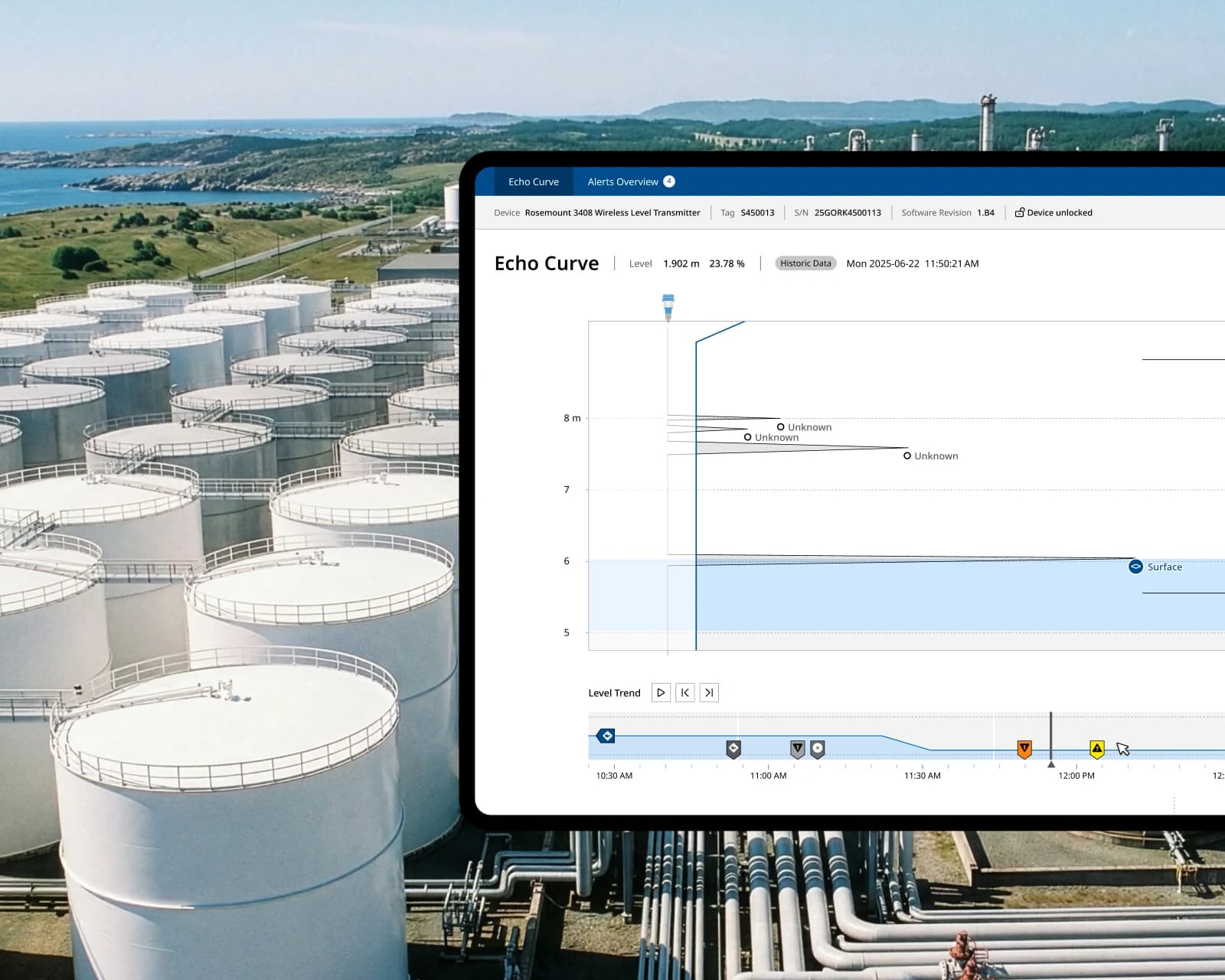
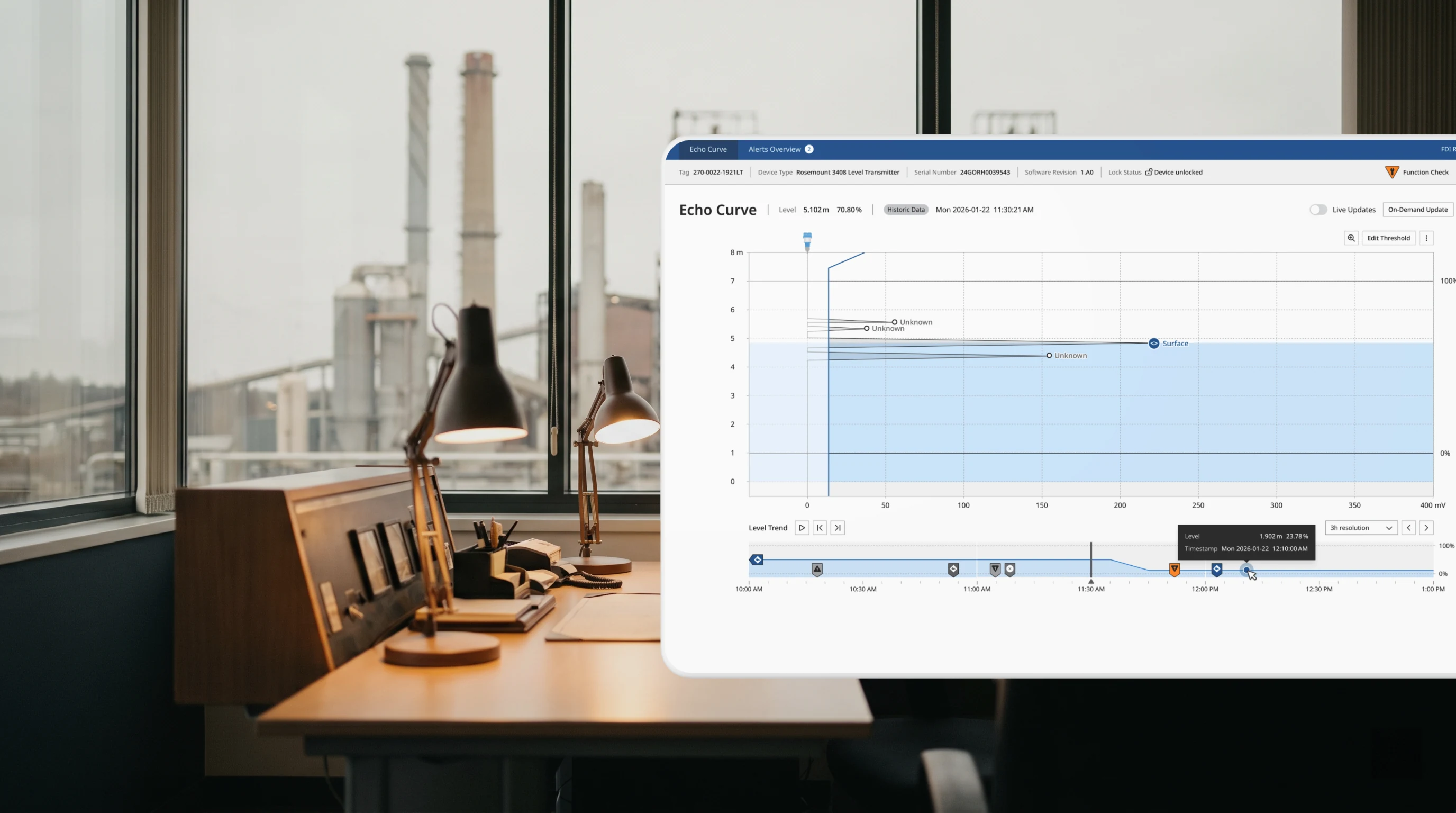
Since 2021 we have partnered with Rosemount Tank Radar AB, part of Emerson, on their industrial software. As part of the engagement, we built a design system for Emerson's industrial products — a variable-based foundation in Figma, documented in Supernova, now used as the platform for several software products within Rosemount Tank Radar AB.
We have also worked with Electrolux on design systems for their digital products. Two different contexts, the same principle: when multiple teams and products share a foundation, time is freed up for what actually distinguishes them.
Is this the right service for us?
This service is built for industrial product families, multiple products and teams, long lifecycles, and heavy compliance requirements. It delivers a mature platform with Figma + codebase + Supernova documentation, governance and versioning, built to survive a change of design team or an organisational restructure.
For startups, AI-heavy product teams, and teams where agents (Claude Code, Cursor) write a substantial part of the code, our AI-ready design system service is often a better first step. It delivers a `design.md` spec, an `AGENTS.md` instruction file, and a first set of shadcn-based components the agent can read directly, without plugin, export, or handoff. The background is in our article on the md format.
The two services are not mutually exclusive. Many clients start AI-ready in a startup phase and grow into a classic model when the organisation and product portfolio require it.
How we work in a design system engagement
Design system engagements typically move through four phases, but they're rarely strictly sequential — in most cases foundation, implementation, and maintenance run in parallel with shifting priority over time.
Inventory and strategy
We map existing products, variants, components, and decisions already in the organisation. The result is a picture of the current state and a strategy for what the design system should do, for which teams, and in what order.
Foundation
Tokens, core components, and first structure in Figma. In parallel, the code implementation is set up in your technical context (React, native, embedded — whatever the product runs on). Foundational principles and a first governance model are established here too.
Scale to product family
Once the foundation is in place, the work expands to cover multiple products. Components are extended with variants, documentation is built out, and the governance process gets tested in reality with different teams actually using the system.
Long-term maintenance
A mature design system needs steady care: new components, breaking changes that get handled, documentation kept in sync with code, support for product teams with questions. This phase is often a rolling monthly engagement, not a defined project.
What we offer
Design system engagements vary more than most other services: the gap between a first audit and a platform for multiple product families is enormous. Four common engagements:
Design system audit (20–40 hours, approx. 20,000–40,000 SEK, delivered in 1 week): snapshot of an existing design system or design organisation. Gap analysis, prioritised actions, concrete first steps. Suitable when you have something in production that isn't quite delivering and you want to know where you stand.
Design system foundation (120–160 hours, approx. 120,000–160,000 SEK, delivered in 2–4 weeks): tokens, core components, structure in Figma, first code implementation, and a first governance model. Suitable when building a design system from scratch or starting over.
Design system for a product family (320–480 hours, approx. 320,000–480,000 SEK, delivered over 2–4 months, often ongoing): foundation extended for multiple products and teams. Complete component library, documentation, mature governance, accessibility integration. Suitable when the design system needs to become a platform for several products, not just a foundation for one.
Long-term maintenance (rolling monthly, from 80 hours/month, approx. 80,000 SEK/month): a dedicated small team that follows the design system over time. New components, breaking changes handled, documentation kept alive, support for product teams. The most common engagement for clients we work with across multiple years, since design systems aren't projects but platforms.
If you're building a specific product alongside the design system, we build it into the app development or industrial UX engagement instead. A design system becomes better when it lives in an actual product than when it's developed in isolation.
What does a design system cost?
A design system costs from approx. 20,000–40,000 SEK for an audit to approx. 320,000–480,000 SEK for a full product family; long-term maintenance from approx. 80,000 SEK/month. Everything is billed at 995 SEK/h (our best price, with Team retainer) — the packages above show hours and price. A foundation has a clearly defined scope, so we can also deliver it at a fixed price.
AI in our work
AI tools are included in the rate. We use Claude, Cursor, and Codex to make all our work more efficient: in component design, code generation, and documentation work. It's our expertise working faster.
Common starting points
Four typical situations where a conversation with Intunio becomes relevant:
When multiple products need to start sharing a foundation
You have two or three digital products currently designed and built separately, but they should share components, patterns, and principles. Intunio comes in from strategy through foundation and builds the platform the teams will then work against.
When an existing design system isn't holding up
Something is in place but it isn't working: components used incorrectly, documentation out of date, governance missing. We start with an audit and then either move to a renewed foundation or scale out to more products.
When an industrial product family needs a shared digital identity
Several software products in the same portfolio have grown in parallel without coordination. The design system becomes the shared foundation — embedded UI, configuration tools, and web-based applications built from the same tokens and components.
When the design system needs long-term ownership
You have a design system in place but no one owns it day to day. Intunio comes in as a dedicated team that releases versions, manages breaking changes, supports product teams, and keeps documentation alive over time.
In all four cases the starting point is the same: design systems deliver value when they move decisions from project to platform, not when they collect components in a folder.
Related content
Projects
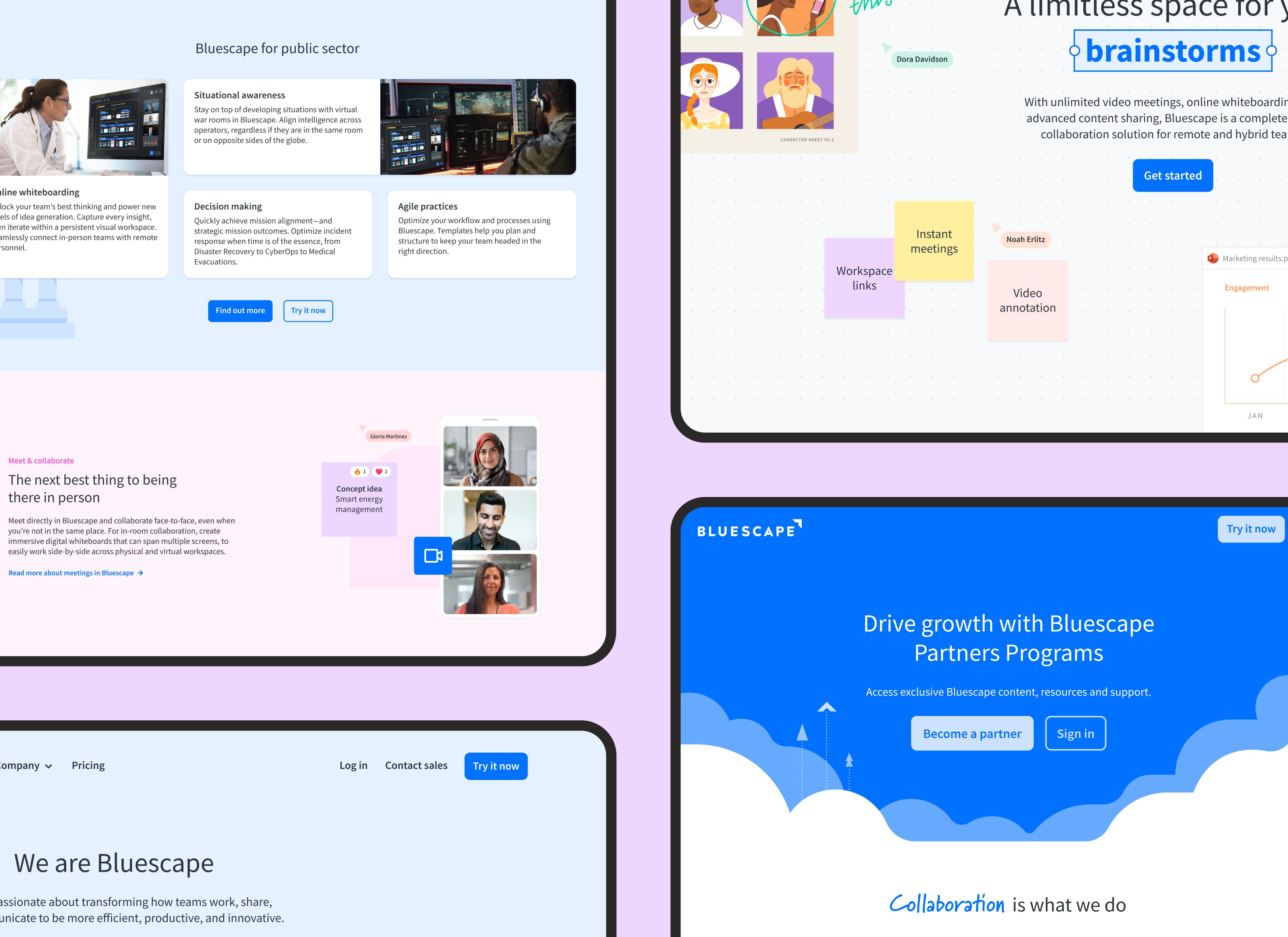
Services
Insights
Frequently asked questions
Intunio is based in Gothenburg, on Korsgatan 24 in the city centre. For clients in Gothenburg and Western Sweden, proximity is an important part of the collaboration. Workshops, check-ins, and informal meetings often happen on-site at your place or ours, which gives a kind of continuity that's hard to achieve with fully remote teams. It also matches our model: we become an extension of your team over time, not an external supplier.
Yes. Intunio has had continuous engagements with clients in Sweden, Europe, and North America throughout our history. We have particular experience with clients in the US and Canada, so working across time zones is part of our normal rhythm. Design work, code implementation, and documentation are mainly carried out from our office in Gothenburg, complemented by workshops and check-ins on-site where it's valuable.
A component library is a collection of ready-made parts (buttons, form fields, modals) in Figma or in code. A design system is everything around the library: tokens, principles, governance, versioning, documentation, and an organisation that owns it over time. The component library is part of the design system, but a design system that's only a component library stops delivering value once the first iteration ships.
A design system delivers value when multiple products or teams share a design foundation, or when a product has a lifecycle that outlives its first delivery team. It's overkill when you have a single product with a single team and no plan to scale — a style guide or a simpler component library does the same job at a fraction of the cost. We can run an initial assessment without commitment.
In Figma we use variables for tokens and components with a clear prop model. For documentation we typically work in Supernova or Storybook, depending on how tightly the design system needs to couple to the code. For code implementation we follow the technical context (React, Vue, native iOS/Android, embedded UI, Qt) depending on what the product actually runs. We're not tool fundamentalists; what we pick should fit your stack and your team.
Governance is about who owns the system, how changes are proposed and approved, and how conflicts between product teams get resolved. Versioning is about how breaking changes are handled without breaking products, and how product teams know what they're upgrading to. We set a first model early (often a core group that owns the system plus a lightweight RFC process for larger changes) and adjust it as we see how it lands in practice. The model is almost always lighter than teams expect.
With steady care. New components are built when product needs come up, breaking changes are handled with clear communication and a migration path, documentation is kept in sync with the code, and product teams get support when they use the system. The most important thing is that the design system has an owner taking care of it daily. Without that, the system degrades quickly. We often take that ownership role for clients through a long-term monthly engagement.
20–40 hours, approx. 20,000–40,000 SEK, delivered in about a week. You get a gap analysis of your existing design system, prioritised actions, and concrete first steps.
120–160 hours, approx. 120,000–160,000 SEK, delivered in 2–4 weeks. Tokens, core components, structure in Figma, a first code implementation, and a governance model. A foundation has a clearly defined scope, so we can also deliver it at a fixed price.
A design system for a product family takes 320–480 hours, approx. 320,000–480,000 SEK, over 2–4 months. Long-term maintenance after that from 80 hours/month, approx. 80,000 SEK/month. All calculated on the hourly rate of 995 SEK/h.
We use Claude, Cursor, and Codex where they make the work better: in component design, documentation work, code generation for components, and refactoring of existing systems. That means you get faster iteration and broader coverage in the same time, since AI tools do a first pass that we then quality-check and tighten manually. It's expertise working faster.
Intunio Gothenburg
Intunio is a design and development studio based in Gothenburg. We help companies create digital products, apps, and systems that are easy to use and built to last.
In design systems, we build tokens, components, and governance as a platform for several products, always focused on long-term maintenance and on quality in both code and Figma.




















Need a design system that works as a platform?
Tell us what you want to be able to bring into the system, and we'll propose a setup for getting started and for maintaining it.