Qt development in Gothenburg — for industrial products, embedded, and desktop
Intunio builds software in Qt: interfaces for industrial products, embedded screens, and desktop. We're a Qt partner and have worked with Qt for clients like BlackBerry and Axis.
Intunio is a design and development studio in Gothenburg. Qt is the framework we choose when software runs close to the hardware: operator panels, on-product screens, control interfaces, and desktop applications that need to behave identically on Windows, Linux, and macOS. We build the interfaces in QML and the logic in C++.
Qt development here follows the same principle as all our app development: designers and engineers share the backlog from day one. That matters even more in Qt projects, where the interface often lives on a physical product and every design decision is also a decision about performance, hardware, and certification requirements.
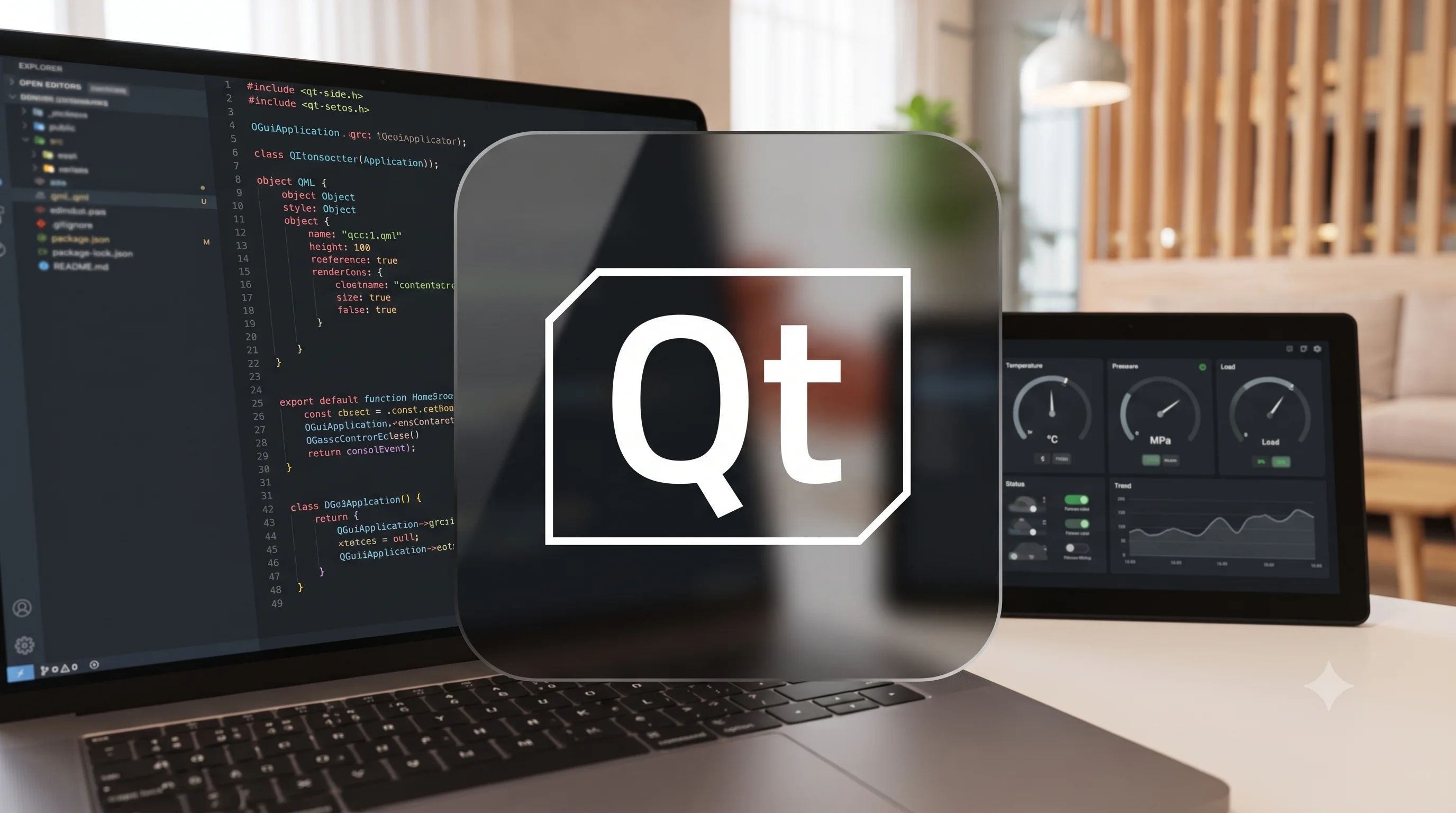
What we've done with Qt
We've built Qt-based software for clients like BlackBerry and Axis — products where performance, security, and long-term maintainability were requirements from day one. That experience is what we bring into every Qt engagement: interfaces that work close to the hardware, in products that live for a long time.
When Qt is the right call
Qt is rarely the first framework mentioned in an app project — but in some situations it's the obvious choice:
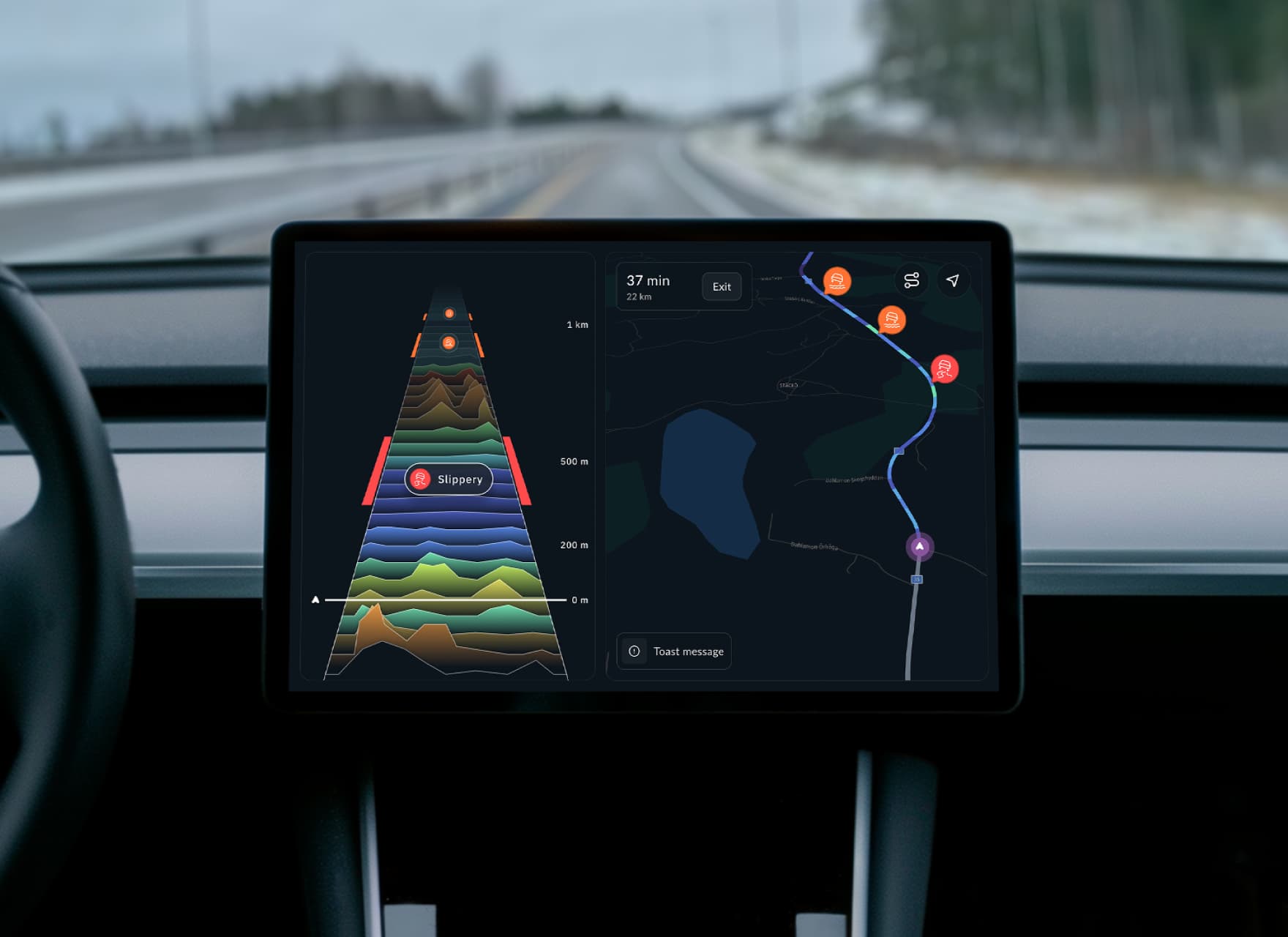
The interface lives on a device. Operator panels, instrument clusters, medical equipment, on-product screens. Qt is built for embedded Linux, QNX, and other platforms close to the hardware, and performs well on constrained hardware without the interface feeling sluggish.
The same application needs to run on desktop — on every OS. One Qt codebase ships to Windows, Linux, and macOS, with native performance and no browser in between.
Performance and real-time behavior are requirements, not wishes. Qt combines declarative UI in QML with logic in C++ — graphics-heavy views, real-time data, and hardware-level integration in one application.
The product will live a long time. Industrial products are maintained for ten years or more. Qt has been around since the '90s, is owned by a listed company, and is used by companies like Bosch, LG, and Rockwell Automation — a choice you can stand behind over time.
Qt is less right when the product is a pure mobile app — Qt can ship to iOS and Android, but native or Flutter is usually the better call there. And when the interface is a web product, we look at web instead. We pick the tool to fit the product, not the other way around.
Partnership
Intunio is a Qt Group partner
Qt Group is the company behind the framework, and the partnership gives us a direct channel into the Qt ecosystem — and you access to the latest knowledge about the platform.
Learn more about Qt GroupWhat we do
QML and Qt Quick development: declarative, graphics-heavy interfaces with full control over the expression — from design system to pixel
C++ integration: application logic, integration with existing C++ backends, drivers, and protocols
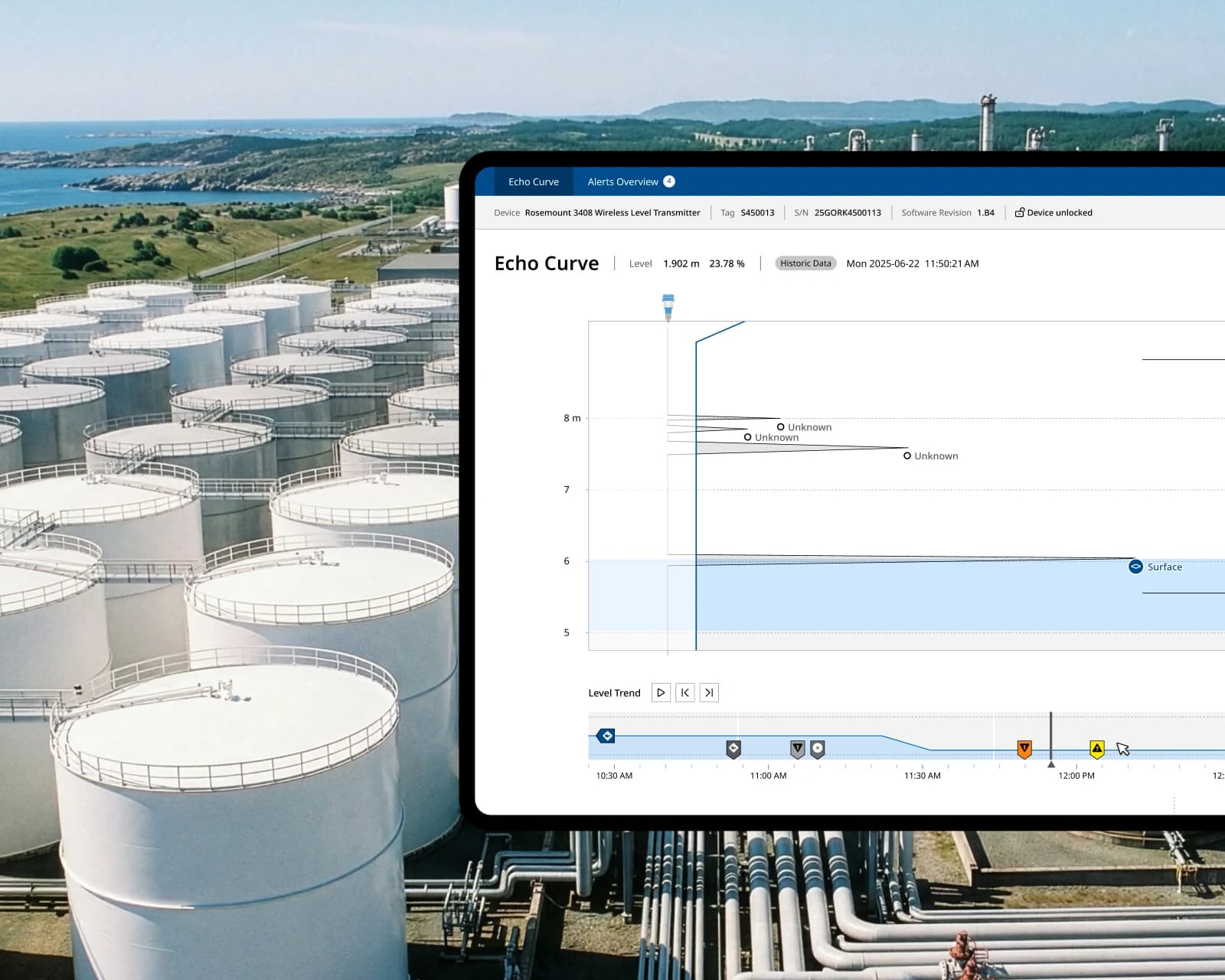
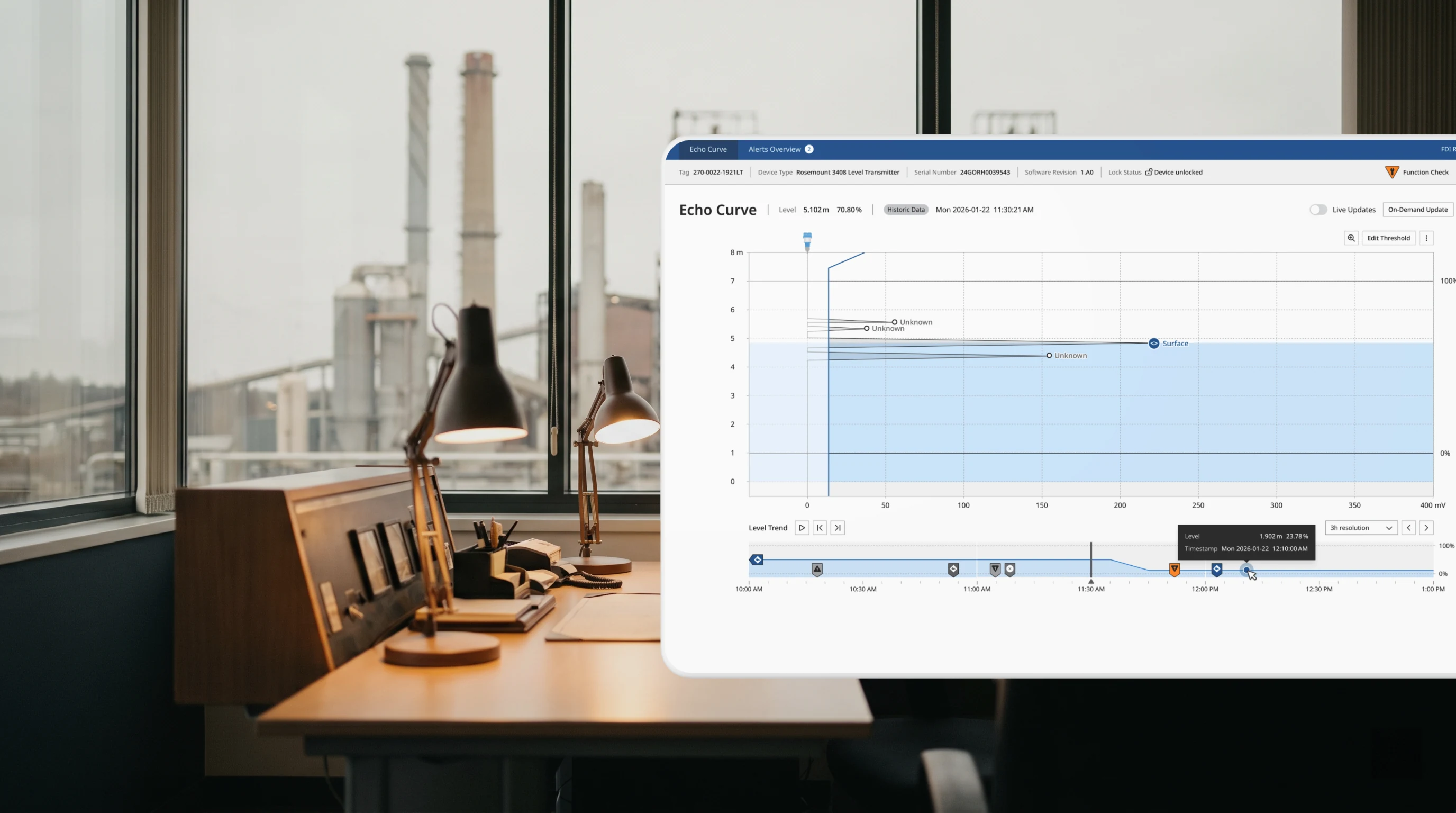
Industrial interfaces and HMI: operator panels, control interfaces, and monitoring views — in close interplay with our industrial UX service
Cross-platform desktop: one codebase for Windows, Linux, and macOS
Embedded targets: Qt on embedded Linux and other platforms close to the hardware, tuned to the screen, memory, and CPU budget
UX and design for Qt products: we design the interface and build it — same team, same backlog
Design and engineering belong together — especially in Qt
Qt projects rarely fail on the technology. They fail in the gap between design and reality: the interface is designed in front of a screen in an office, but used with gloves, in glare, on a factory floor. That's why we don't do handovers: the designer drawing the operator view sits in the same team as the engineer implementing it in QML.
QML makes that collaboration concrete. The interface is described declaratively, which means a design system translates almost directly into components in code — the same thinking that makes us like Flutter on mobile. Design decisions become testable on real hardware early, not at the end of the project.
How we work
A Qt project follows the same setup as the rest of our development: pre-study, design and technical foundation, sprint-based development, release and maintenance — with designers and engineers in the same team. We often start with a pre-study that lands scope, architecture, and whether Qt really is the right call before a line of code is written. If a Qt codebase already exists, we like to start with a product validation that gives an honest picture of the current state.
What does Qt development cost?
The hourly rate is 995 SEK/h (our best price, with Team retainer), the same model as for all our development. AI tools (Claude, Cursor, Codex) are included in the rate.
Related content
Projects
Services

Insights

Frequently asked questions
Qt is a C++-based framework for building graphical applications that run on desktop (Windows, Linux, macOS), embedded devices (embedded Linux, QNX, and others), and mobile. Its strength is the combination of declarative UI in QML and performance in C++ — which is why Qt dominates in industrial interfaces, vehicle clusters, and on-product screens. Choose Qt when the interface lives on a device, when multi-OS desktop support is a requirement, or when performance and long product life matter most.
Qt is available both as open source (LGPL/GPL) and under a commercial license from Qt Group. Which one fits depends on how the product is distributed, whether the code must stay closed, and which modules are used — embedded products often require a commercial license. It's a decision to make early, because it affects both architecture and cost. As a Qt partner, we help you sort out what applies to your product.
Yes. Many Qt products were built a long time ago and need modernizing — from Qt 5 to Qt 6, from Qt Widgets to Qt Quick, or simply from unmaintainable to maintainable. We like to start with a product validation that maps the current state before we build on.
The whole thing. UX and design, QML interfaces, C++ logic, integration with backends and hardware. The combination is the point — a Qt interface designed by someone who doesn't understand the platform's constraints gets expensive to build and dull to use.
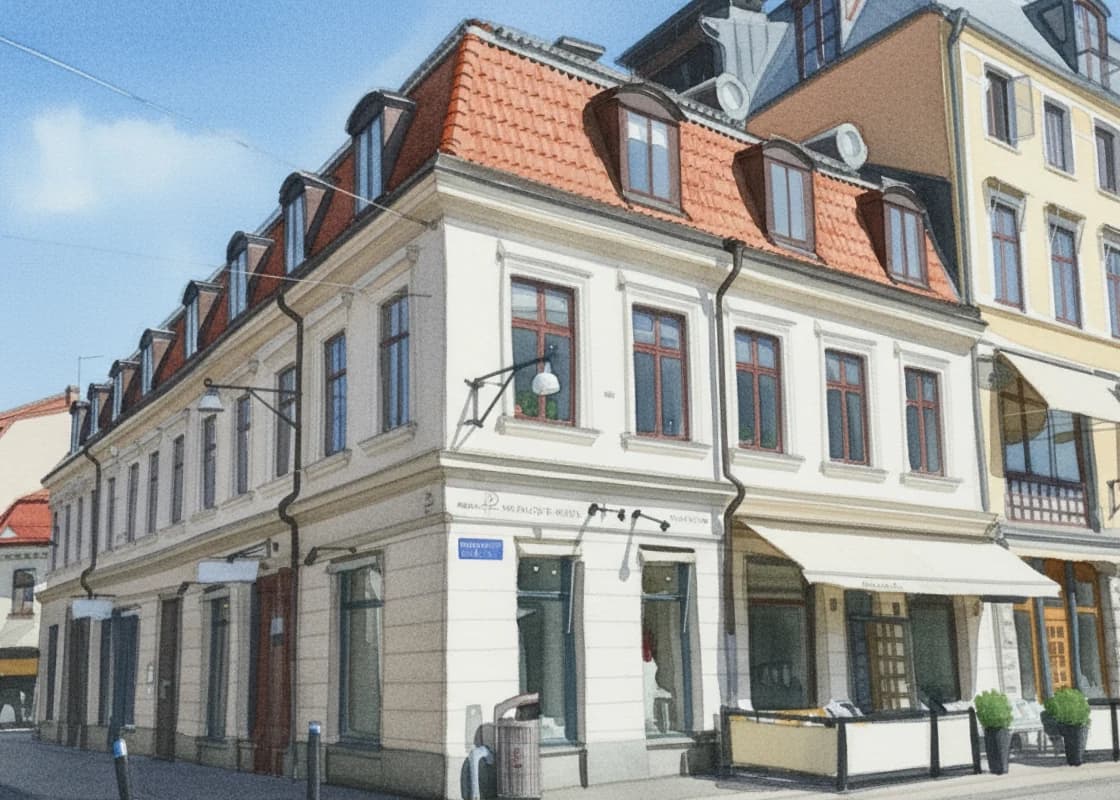
Yes. Intunio is based on Korsgatan 24 in central Gothenburg. For clients in Gothenburg and Western Sweden, proximity is part of the collaboration — workshops and check-ins often happen on-site. We also work with clients across Sweden, Europe, and North America, where we run Qt development from our Gothenburg office.
Intunio Göteborg
Intunio is a design and development studio based in Gothenburg. We help companies create digital products, apps, and systems that are easy to use and built to last.



































Curious what we could do for you?
Get in touch with us at Intunio, and we'll take it from there.