User research — user studies that lead to the right product decisions
Intunio runs user research that leads to the right product decisions — reduced risk, clearer priorities, and products that actually get used.
Intunio is a design and development studio in Gothenburg, conducting user research for digital products. Interviews, user testing, and field studies that show what to build and why.
Most product decisions are made on assumptions about users, not facts. That's not a problem as long as the assumptions hold. But when they don't, it gets expensive: features no one uses, product directions that have to be rolled back, customer churn that doesn't show up until it's too late. At Intunio we see user research as the simplest way to know before you build.
We keep research scoped and pragmatic: the right number of interviews to catch the patterns, the right depth to understand why, and a synthesis that leads to decisions. Not a long list of unsorted observations.

What we do
In-depth user interviews: qualitative 1:1 conversations focused on why people do what they do, not just what they say they do
Observational studies: we follow people in their daily life or work to see how they actually work, not how they think they work
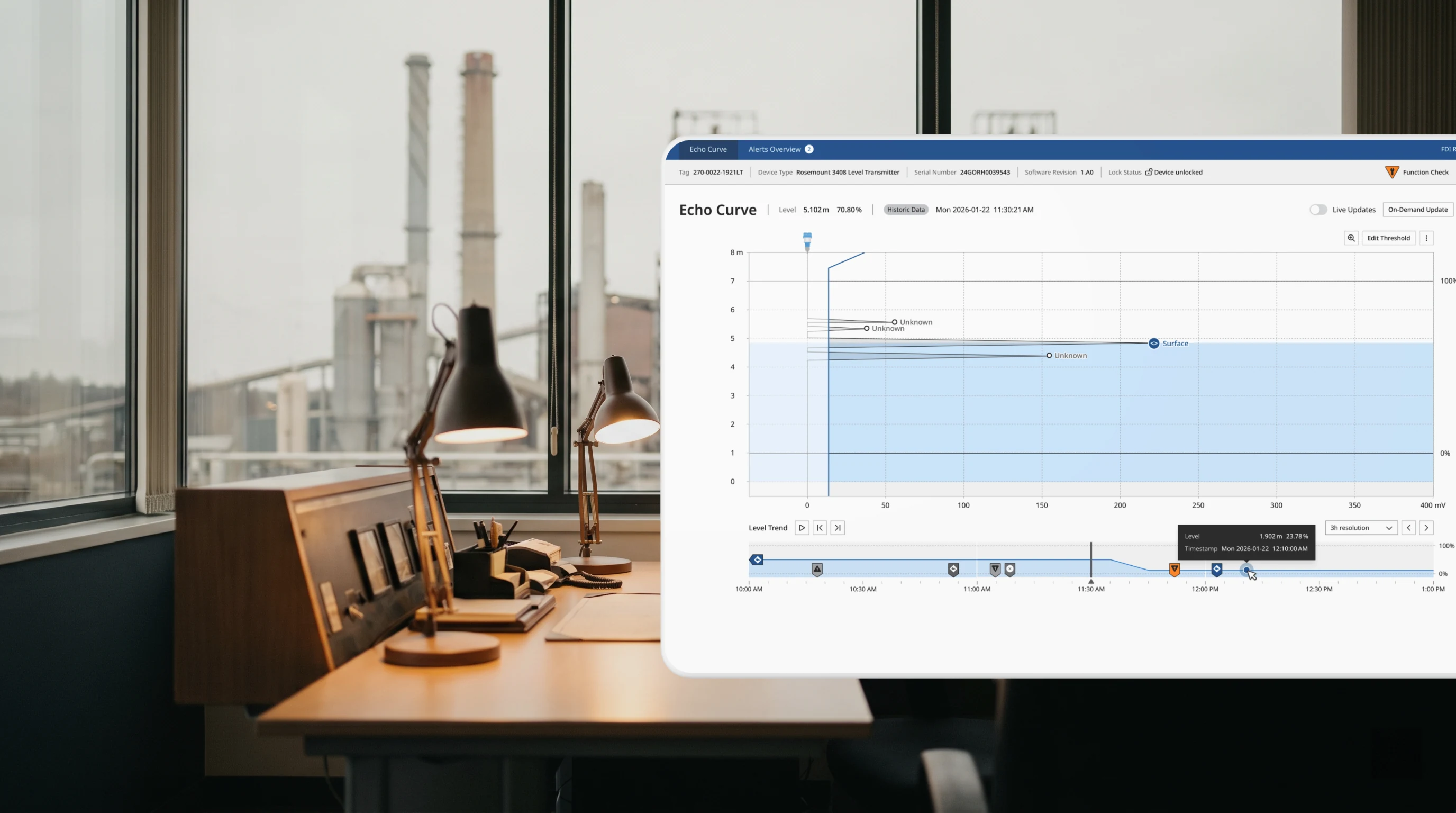
Field studies in complex environments: industrial, medtech, and safety-critical contexts where physical conditions, time pressure, or specific safety requirements shape how the work is done
Stakeholder interviews: triangulation with the client, engineers, and business owners to understand the organisation's own assumptions
Usability testing against prototypes: early tests with real users before the product is fully built
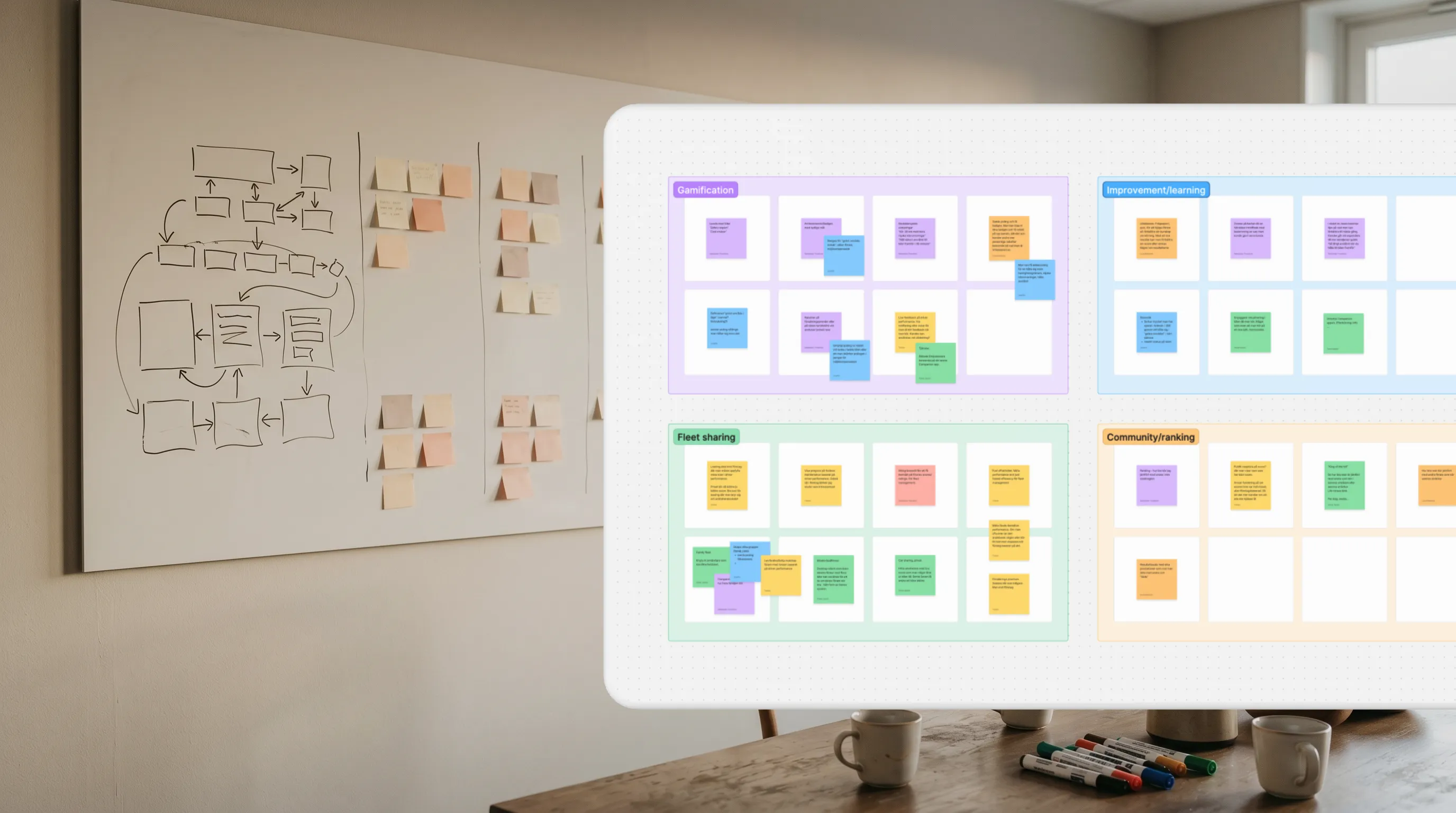
Qualitative synthesis and reporting: user journeys, hierarchical task analysis, and prioritised insights — packaged so design and engineering teams can act directly
Diary studies and longitudinal methods: when we need to understand patterns over time, not just in a single moment
The industries we most often run user research for are industrial, medtech, SaaS, and B2B tech.
The business value is in building the right things
At Intunio, user research isn't a separate exercise driven by curiosity. It's a product economics tool. Every feature built and not used is a cost. Every product direction that has to be rolled back is wasted development hours. And every avoidable customer loss is value left on the table.
Research delivers four things that directly affect product economics:
Validation of assumptions
Even when research confirms what the team believed, it has value: you go from thinking to knowing. And when the assumptions don't hold, which happens more often over time as user needs shift with technology and market, you save the development hours that would otherwise have gone into the wrong things.
Refinement of strategy
Even when the overall direction is right, subtle details often surface that change how the product should be built. That's where research is decisive — not in moving the direction but in sharpening it.
Prioritisation
Users have many pain points. Research reveals which actually have the biggest impact on daily use and therefore on the business. That guides where resources should go.
Risk reduction
Making product decisions without research is gambling on assumptions. Research reduces the risk of misinvestment in development, marketing, and product direction.
The value isn't in the report. The value is in the decisions that get better.
Field research in complex environments
In many contexts it isn't enough to talk to users remotely. Operators in process plants, technicians in Ex-classified zones, staff in medtech contexts, or workers where time pressure and physical environment shape the workflow — for them, observation is often decisive.
The most valuable insights come from the combination of what people say and what they do. Why certain settings are always prioritised first. Which steps feel unnecessarily complex. Which functions create stress under time pressure. These rarely surface in internal reviews but affect user experience, efficiency, and safety in operation.
We have experience working with users who are experts in their domain (operators, technicians, engineers, not consumers) in environments where safety restrictions, hardware, gloves, or physical conditions shape how the system can actually be used.
How we work in a user research study
Four phases:
Planning and hypotheses
We start by understanding what you want to know and, more importantly, which assumptions sit behind it. Which are you confident in? Which not? Where would a "wrong" answer be most valuable? The result is a research scope with clear questions and a hypothesis list.
Recruitment and execution
Participants are recruited (by you or with our help, by agreement). We run interviews over video or on-site, observations in the field where relevant, and complementary methods as needed. Sessions are recorded with consent so analysis can be done carefully.
Synthesis and visualisation
Insights are analysed qualitatively and visualised as user journeys, task flows, prioritisation maps, or whatever format matches the decisions you need to make. We triangulate against stakeholder interviews where relevant.
Delivery and decision support
We deliver a consolidated report with prioritised insights, quotes from interviews, and concrete recommendations for the next step. We often close with a workshop where your team can ask questions and prioritise. The goal is for the research to lead to decisions, not end up in a folder.
For clients who want ongoing research support as part of product development, we move into a rolling monthly engagement.
What we offer
User research engagements vary depending on the number of interviews, whether observation or field studies are included, and how deep the synthesis work goes. Four common engagements:
Lightweight user study (40–80 hours, approx. 40,000–80,000 SEK, delivered in 1–2 weeks): 3–5 in-depth interviews with the target group, qualitative synthesis, and a short report with prioritised insights. Suitable when you need to quickly challenge assumptions ahead of a design direction or product decision.
Standard user research (120–200 hours, approx. 120,000–200,000 SEK, delivered in 4–6 weeks): 8–12 in-depth interviews or observations, qualitative synthesis with user journeys or task analysis, stakeholder triangulation, presentation workshop. Suitable ahead of larger product initiatives or redesigns.
Field research in complex environments (160–320 hours, approx. 160,000–320,000 SEK, delivered in 6–10 weeks): combined interview and observation study in industrial, medtech, or safety-critical contexts. Includes site visits, hierarchical task analysis, and deeper synthesis. Suitable for products where safety requirements, physical conditions, or domain complexity dominate.
Long-term research support (rolling monthly, from 40 hours/month, approx. 40,000 SEK/month): research as part of product development. Recurring interviews, usability testing against prototypes, continuous insight-building. Suitable when research should be part of the team, not a one-off delivery.
For clients who already have a built product and need to verify technology and customer value, product validation is the related service. It combines user research with technical review. For a quick outside UX perspective without a full research process, see UX expert review.
What does user research cost?
User research costs from approx. 40,000–80,000 SEK for a lightweight study to approx. 160,000–320,000 SEK for field research in complex environments; the standard study lands at approx. 120,000–200,000 SEK and long-term research support from approx. 40,000 SEK/month. Everything is billed at 995 SEK/h (our best price, with Team retainer) — the packages above show hours and price.
AI in our work
AI tools are included in the rate. We use Claude and similar tools for interview transcription, synthesis work, and insight structuring. That means we can run more interviews in the same time and identify patterns faster. The interpretive analysis is done by a human researcher.
Common starting points
Three typical situations where a conversation with Intunio becomes relevant:
Ahead of a larger product direction
You're facing a decision about what to build, often with a hypothesis about what users need. A user research study challenges the hypothesis before you commit to development.
When an existing product isn't performing as expected
Users leave, support tickets recur, or features go unused. Research combined with observation shows why — and what actually needs fixing.
When a product is moving into a new domain or environment
You have a working product in one context and want to enter another (industrial, medtech, international). Field studies in the new environment provide the basis for adaptation.
In all three cases the starting point is the same: research reduces the risk of investing development on the wrong things and increases the chance of landing the product right from the start.
Related content
Services


Insights

Frequently asked questions
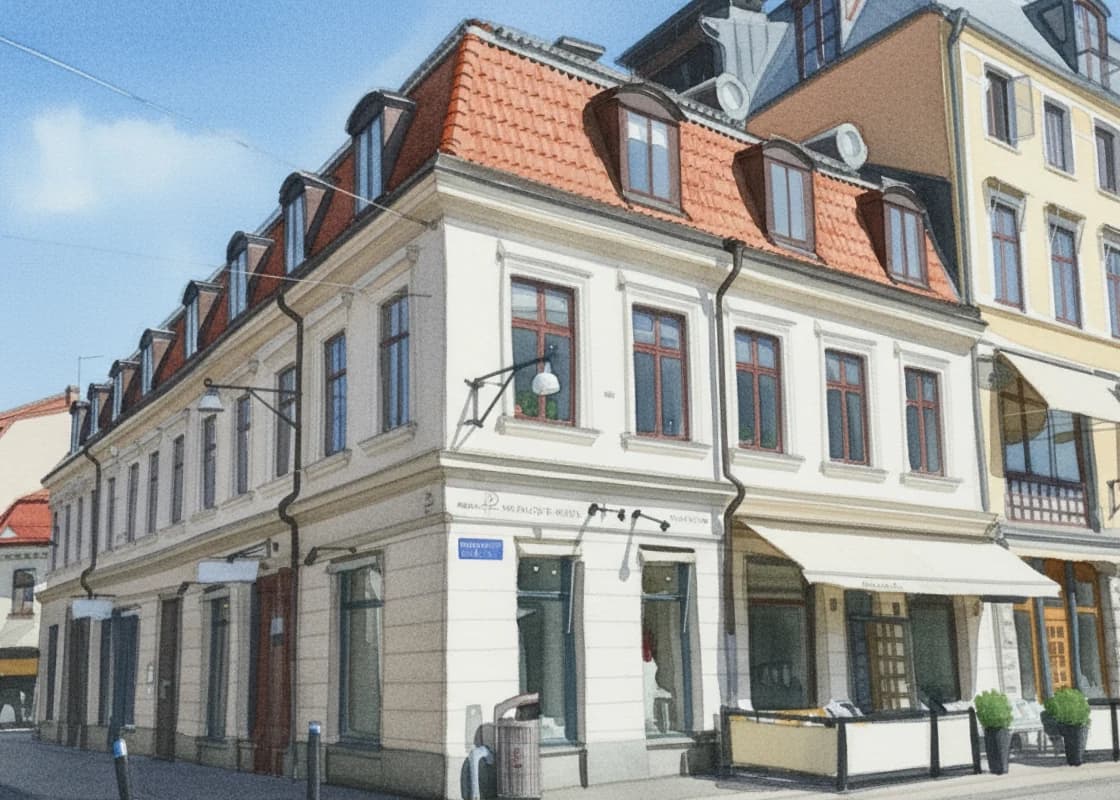
Intunio is based in Gothenburg, on Korsgatan 24 in the city centre. For clients in Gothenburg and Western Sweden, proximity is an important part of the collaboration, especially in research engagements where workshops and presentations often work better on-site. We become an extension of your team over time, not an external supplier.
Yes. Intunio has had continuous engagements with clients in Sweden, Europe, and North America throughout our history. We have particular experience with clients in the US and Canada, so working across time zones is part of our normal rhythm. In-depth interviews happen both over video and on-site depending on what fits. Field studies are typically done on-site where users work, regardless of geography.
It depends on what you want to know. To find the most important patterns in a defined target group, 5–7 in-depth interviews are often enough. For broader target group understanding or comparison between segments, 8–12 or more are needed. For longitudinal studies or field observations in complex environments, fewer interviews can be combined with several hours of observation. We suggest scope based on what you actually want to decide from.
User research investigates users and target groups broadly — to understand needs, behaviours, patterns, and challenge assumptions. It's often done before product decisions are made or ahead of larger direction choices. is more pragmatic and is done after a first version exists: technical review and user validation in the same engagement, to see if the product holds up before scaling. Both include user interviews but address different moments.
It varies. For B2B and industrial products you typically recruit yourselves since you have the best access to the target group and can motivate participation. For consumer products or broader target groups, we can help with recruitment via partners or recruitment platforms. We discuss the setup early so scope and time estimates are realistic.
Yes. We have experience with field studies where users are experts in their domain (operators, technicians, engineers), not consumers. We work in contexts with safety restrictions, Ex-classified zones, hardware requirements, and environments where physical conditions shape how the system can be used. In such contexts observation is often as important as interviews — the most valuable insights come from the combination.
Insights are analysed qualitatively and visualised in formats that match the decisions you need to make: user journeys when it's about flows, hierarchical task analysis when it's about complex work, prioritisation maps when it's about what to build first. The report is short and prioritised — not a long list. We often close with a workshop where your team can discuss, prioritise, and ask questions.
A lightweight user study with 3–5 in-depth interviews takes 40–80 hours and costs approx. 40,000–80,000 SEK. A standard user research with 8–12 interviews takes 120–200 hours, approx. 120,000–200,000 SEK. All calculated on the hourly rate of 995 SEK/h.
Field research in industrial, medtech, or safety-critical contexts takes 160–320 hours, approx. 160,000–320,000 SEK. Long-term research support from 40 hours/month, approx. 40,000 SEK/month.
We use them for interview transcription, a first pass of thematic coding, and in synthesis work to see patterns across larger datasets. The interpretive analysis (what the insights mean and which recommendations should follow) is done by a human researcher. AI accelerates the data work, not the critical analysis.
Intunio Gothenburg
Intunio is a design and development studio based in Gothenburg. We help companies create digital products, apps, and systems that are easy to use and built to last.
In user research, we work with in-depth interviews, field studies, and qualitative synthesis, always focused on turning insights into concrete product decisions.
































Need to know more before you build?
Tell us about the product decision you're facing and who your users are, and we'll propose a study that fits your scope and timeline.