UX design in Gothenburg — for apps, systems, and industry
Intunio designs digital products that are simple and useful — consumer apps, professional systems, and industrial products. UX, UI, research, and prototyping, with design and engineering in the same team.
Intunio is a design and development studio in Gothenburg. We help companies large and small create digital products people love to use — from web solutions and apps to software for industry. With experience from global product teams like Sony Mobile, BlackBerry, and Electrolux, we combine international competence with close, personal collaboration.
UX design is the core of everything we do — from first research to a product in production. And because designers and engineers work in the same team, design decisions and technical decisions land together, rather than being negotiated after the fact.
What we do
UX design — information architecture, flows, interaction, and structure. We make the complex simple, whether it's a consumer app or a professional system.
User research — we understand users and their context before we design. Interviews, observation, usability testing. See our user research service.
UI design — visual expression, interface, and the details that make a product clear, consistent, and pleasant to use.
Prototyping — from sketches to clickable prototypes that can be tested with real users before a line of code is written.
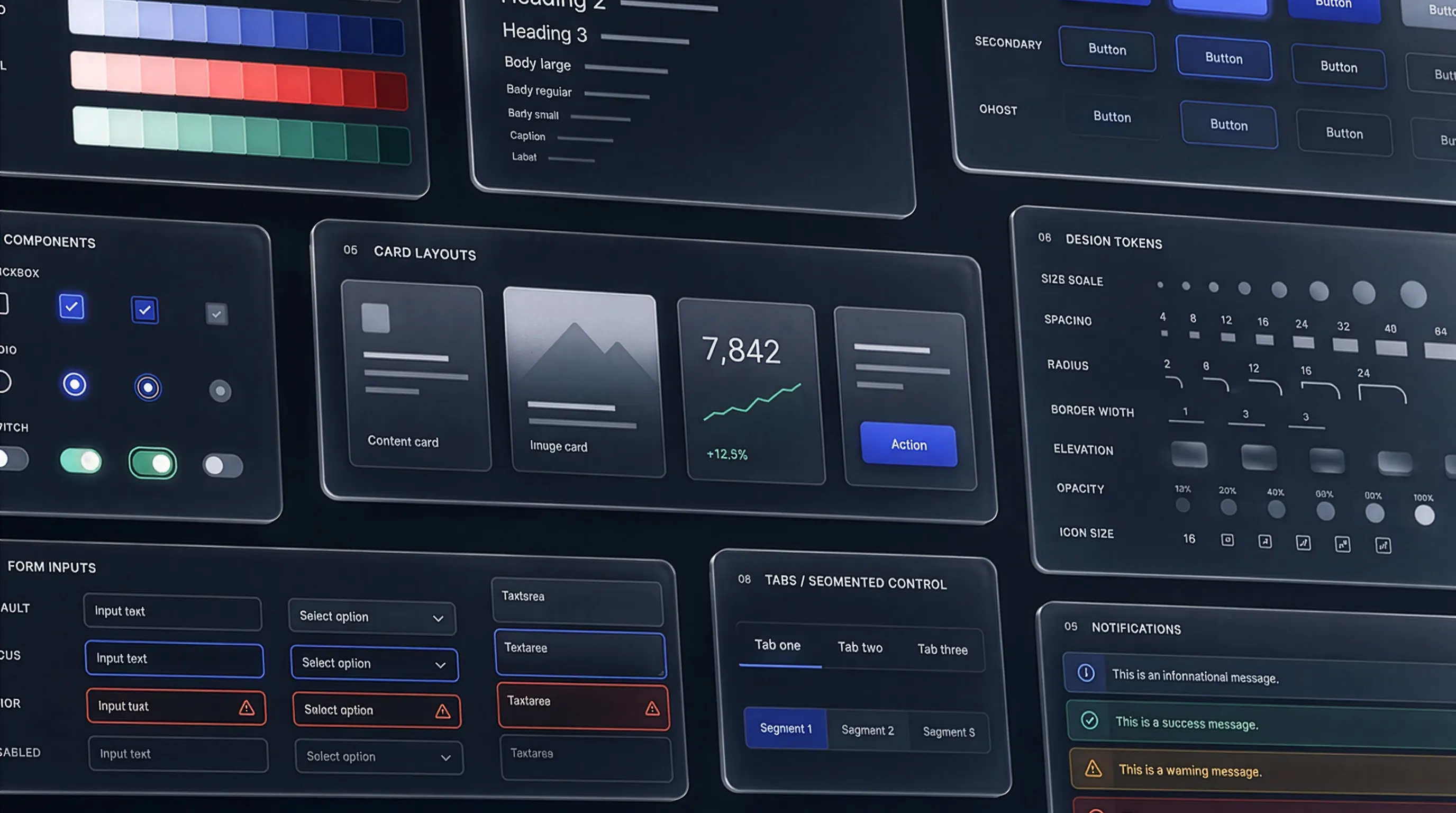
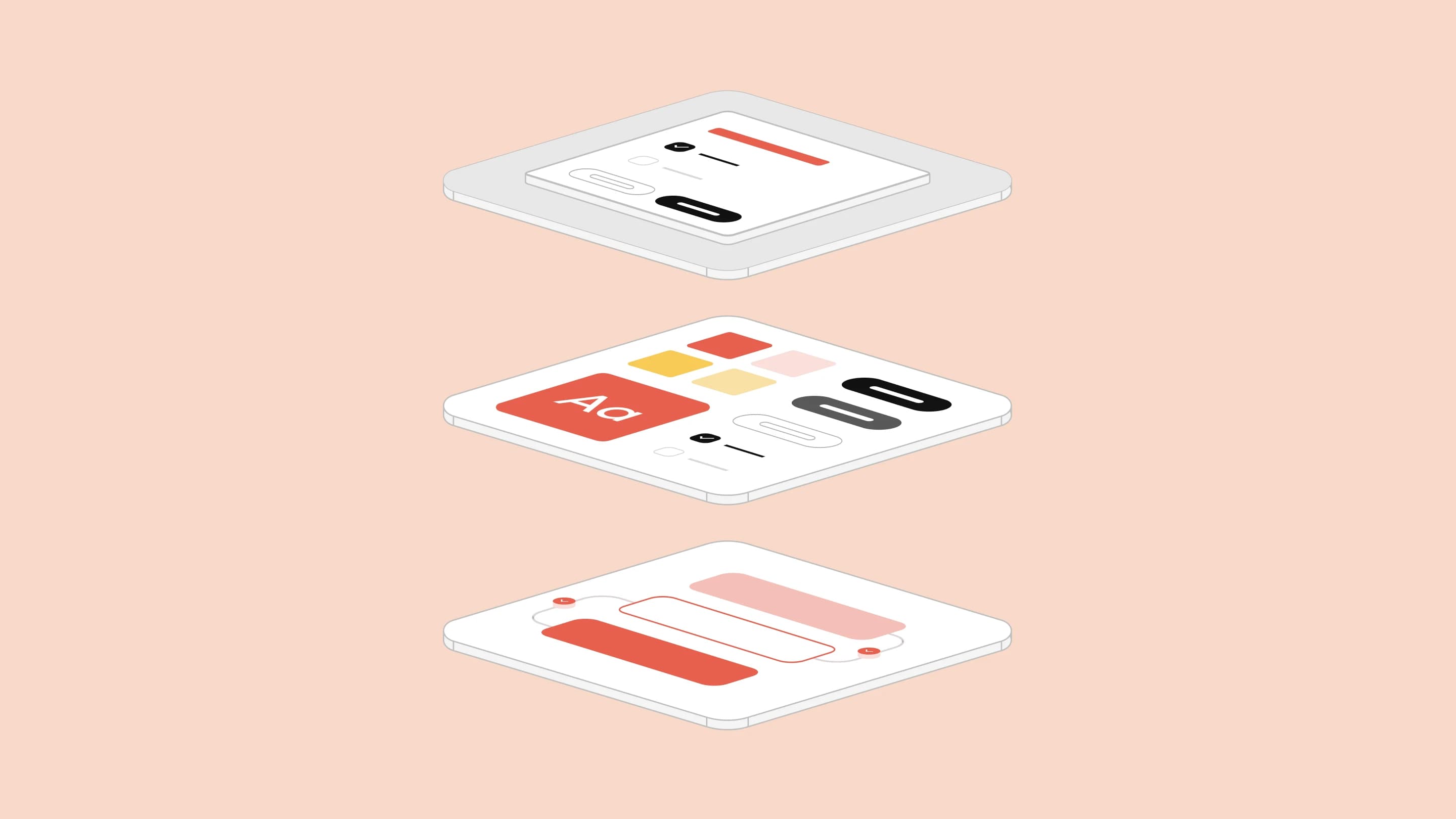
Design systems — UX made consistent and scalable across an entire product portfolio. See our design system service.
UX expert review — a lightweight, external UX review of an existing product. See UX expert review.
UX design becomes real when it's built. That's why it goes hand in hand with our app development and web development — the same team, from idea to release.
The same craft, three contexts
UX design looks different depending on what's being designed. We're just as at home in all three contexts — and it's rare for one team to cover them all:
Consumer apps people want to use
Apps where first impression, onboarding, and the everyday flow decide whether the product gets used. We design familiar patterns in an everyday flow, and surface features so they feel obvious.
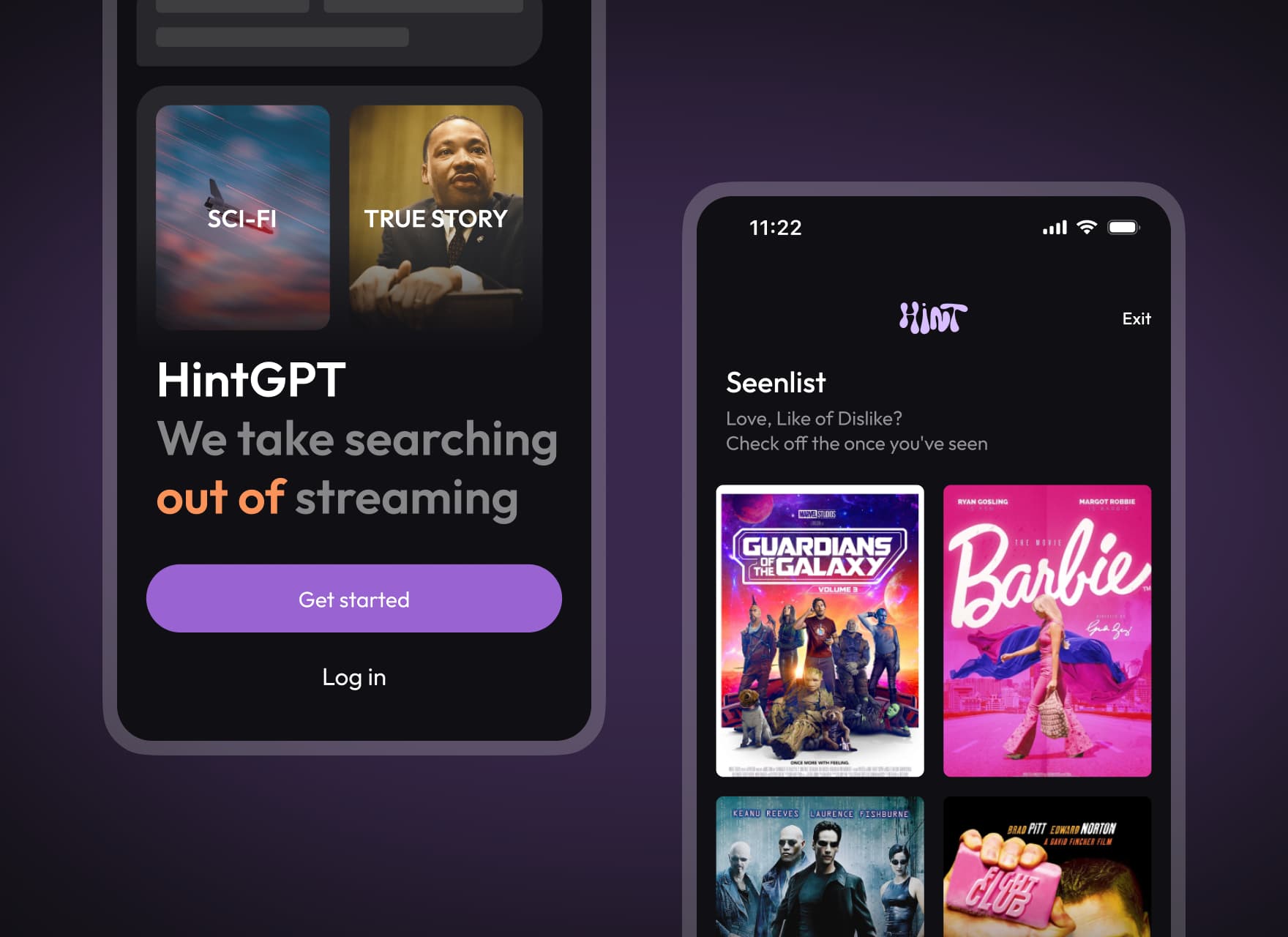
Examples: Hint — onboarding and interface for an AI-powered streaming app · Currently — making abstract energy data graspable in a mobile app · Matlistan — recipes and shopping list in a fast, familiar flow.
Professional systems
Advanced products where the interface is a working tool and a decision aid. Here UX is about creating clarity in complexity, reducing friction, and making difficult workflows understandable.
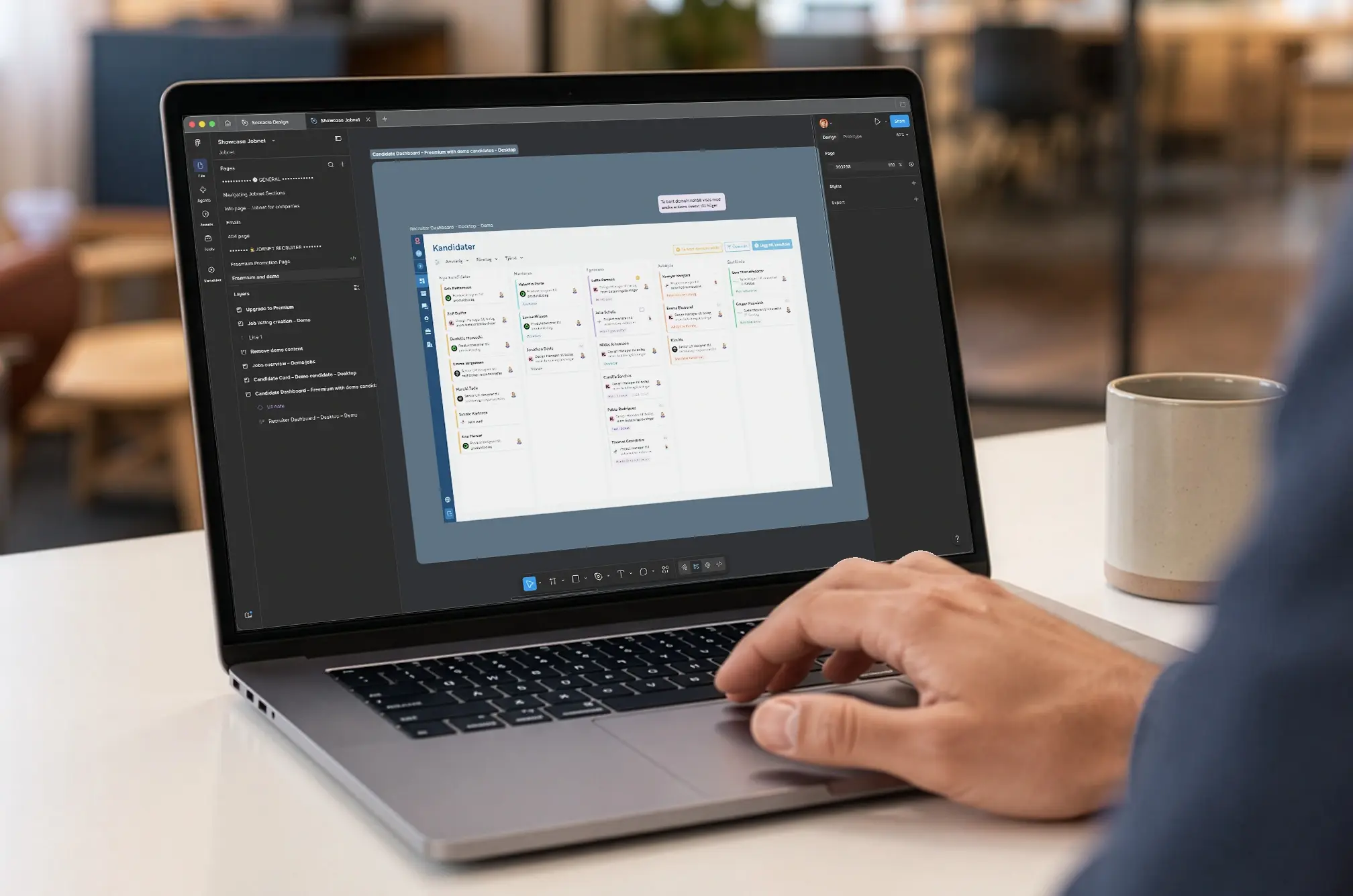
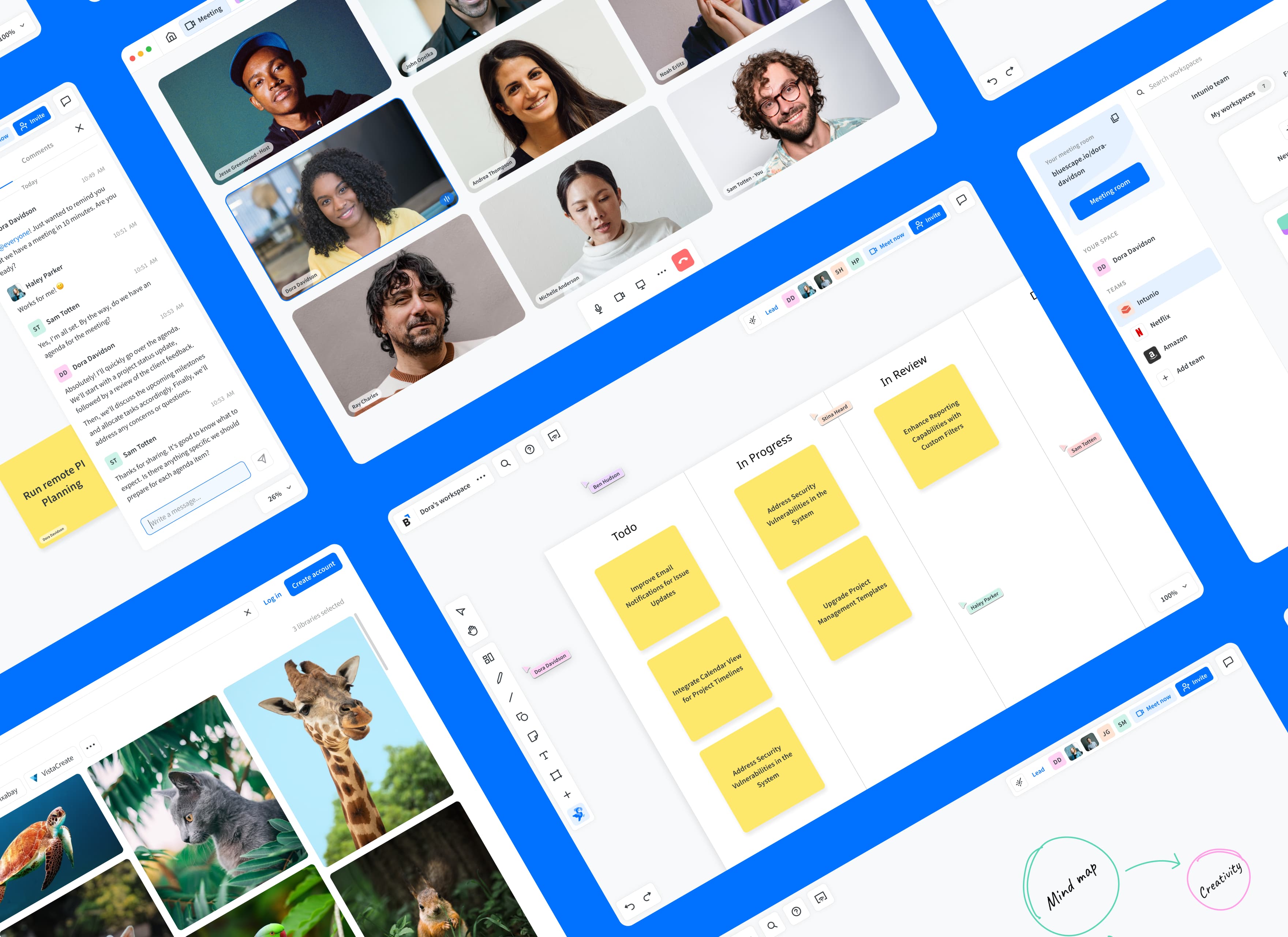
Examples: Bluescape — over several years we've shaped the UX and UI of a collaboration platform used by Ford, Disney, Netflix, and US government agencies · Jobnet — elegant UX over a complex recruitment process · Arena — clarity and low administrative friction in a physical access management system.
Industrial and connected products
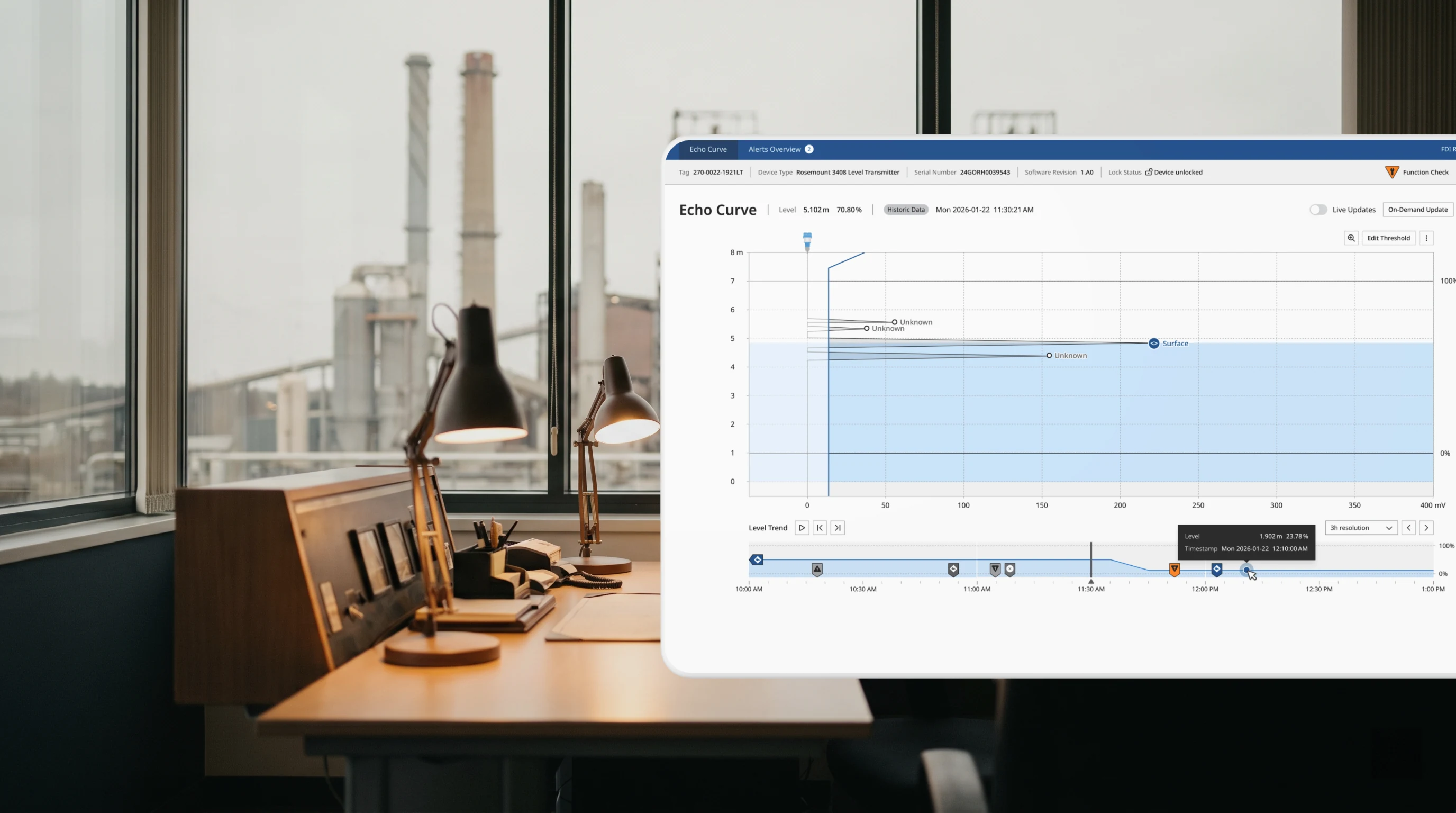
Industrial UX has its own conditions — the users are experts, the systems safety-critical, the lifecycles long. You can't scale consumer patterns straight across. Industrial systems deserve the same care for usability as consumer products — but on industry's own terms. This is a deep specialty for us; see industrial UX.
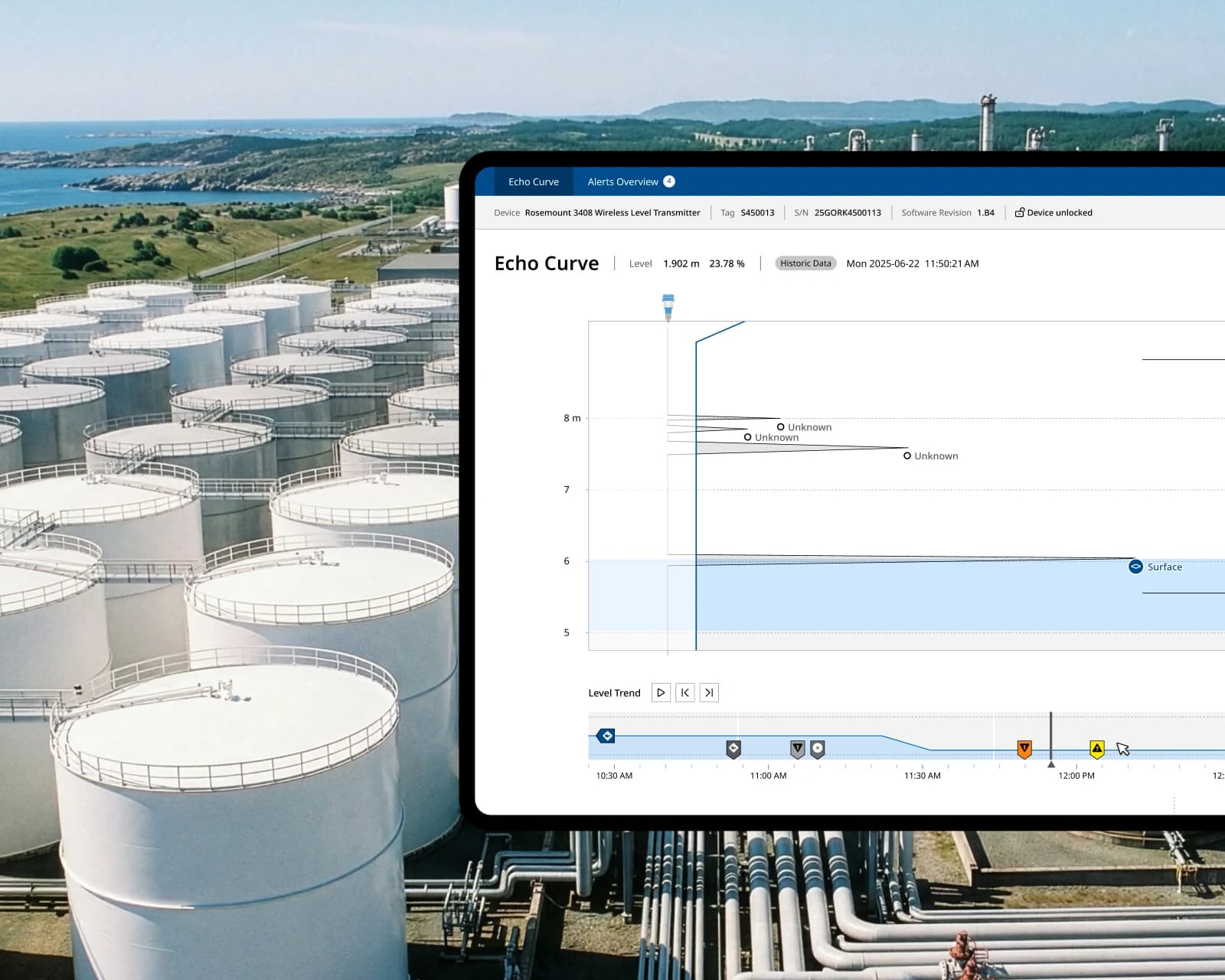
Examples: Emerson — UX for radar-based level measurement in process, water, and food industries since 2021 · Swanholm Technology — UX for a connected safety vest in construction and industrial environments, where clarity and reliability are critical · Electrolux — a global UX platform long before design systems became standard.
Design and engineering in the same team
A core principle in how we work is that design and engineering are always part of the same team. They share the backlog, the priorities, and responsibility for what's delivered. That means design decisions are never made without understanding the technical consequences, and technical solutions are always shaped with the user experience in mind.
For UX design, that means an idea never gets stuck in a hand-off. What we design can be built, and what we build is designed with care. That's the difference between a pretty prototype and a product that actually works in production.
UX is an ongoing responsibility
UX, UI, and product design aren't separate roles for us — they're different perspectives on the same whole. And design continues after launch: we follow the product, measure, adjust, and improve over time.
Accessibility is part of that quality, not an add-on at the end. A product that works for more people is simply better designed. See accessibility.
How we work
A UX engagement often starts with a pre-study that takes you from a fuzzy idea to a first buildable direction — research, design sketches, and a scope to stand on. From there we design and build in parallel, in sprints, with the design system as the foundation and continuous quality checks on both design and code. For clients with a product in production, we often move into a rolling engagement where UX is maintained and developed further.
If you already have a product and want an external UX perspective, UX expert review is a fast, focused way in.
What does UX design cost?
The hourly rate is 995 SEK/h (our best price, with Team retainer). AI tools (Claude, Cursor, Codex) are included in the rate — it's our expertise working faster, not AI replacing it. See the app development packages for hours and prices when the UX design is built all the way to release.
Common starting points
When an idea needs to become a product. You have a vision but no defined scope and no clear picture of what to build. We start in the pre-study, design the direction, and take it toward release.
When an existing product has high UX debt. The product is in production but has grown without a clear design strategy. We come in with both UX and engineering perspectives — often via a UX expert review first.
When an engineering team lacks design capacity. You have strong engineers, but every feature becomes a separate design conversation. We complement the team with UX, UI, and a design system, integrated into your way of working.
When a complex or industrial system needs to become usable. The interface is a working tool, the users are experts, and the requirements are high. We design clarity into the complexity — see industrial UX.
Related content
Projects
Services


Insights
Frequently asked questions
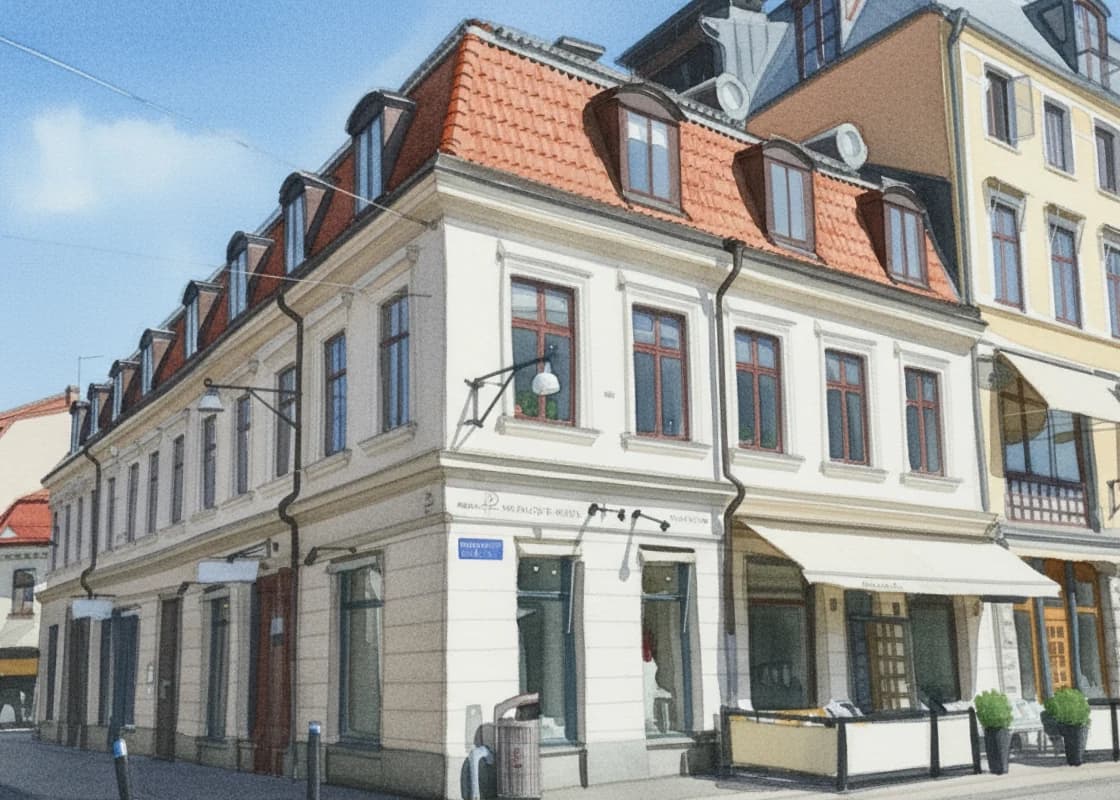
Intunio is based in Gothenburg, on Korsgatan 24 in the city centre. For clients in Gothenburg and Western Sweden, proximity is part of the collaboration — workshops, check-ins, and design conversations often happen on-site. We also work with clients across Sweden, Europe, and North America, where we run UX work from our Gothenburg office.
They're different perspectives on the same whole, not separate roles. UX is about how the product works and feels to use, UI about the visual and concrete interface, product design about the whole and how the product meets a real need. Here, the same team works across all three, which keeps the whole coherent. We've written more in What's the difference between UX, UI, and product design?.
All three. We design consumer apps, professional systems, and industrial and connected products. The breadth is unusual and one of our strengths — the same craft, adapted to each context's conditions. Industrial UX is an especially deep specialty; see industrial UX.
Both — and preferably together. Design and engineering sit in the same team, so the UX design can be built all the way to release through our app development. But we also take pure design engagements, design partnerships, and UX reviews without the build.
We understand users and their context before we design — but pragmatically, adapted to what the project needs. Sometimes lightweight methods like short interviews and tests are enough, sometimes deeper research in a safety-critical environment is required. See user research.
The hourly rate is 995 SEK/h — our best price, with Team retainer. For a UX engagement that's built all the way: run the hours in the app development packages against the hourly rate for a rough budget. We provide an exact quote once scope is confirmed.
Intunio Göteborg
Intunio is a design and development studio based in Gothenburg. We help companies create digital products, apps, and systems that are easy to use and built to last.












Curious what we could do for you?
Get in touch with us at Intunio, and we'll take it from there.